
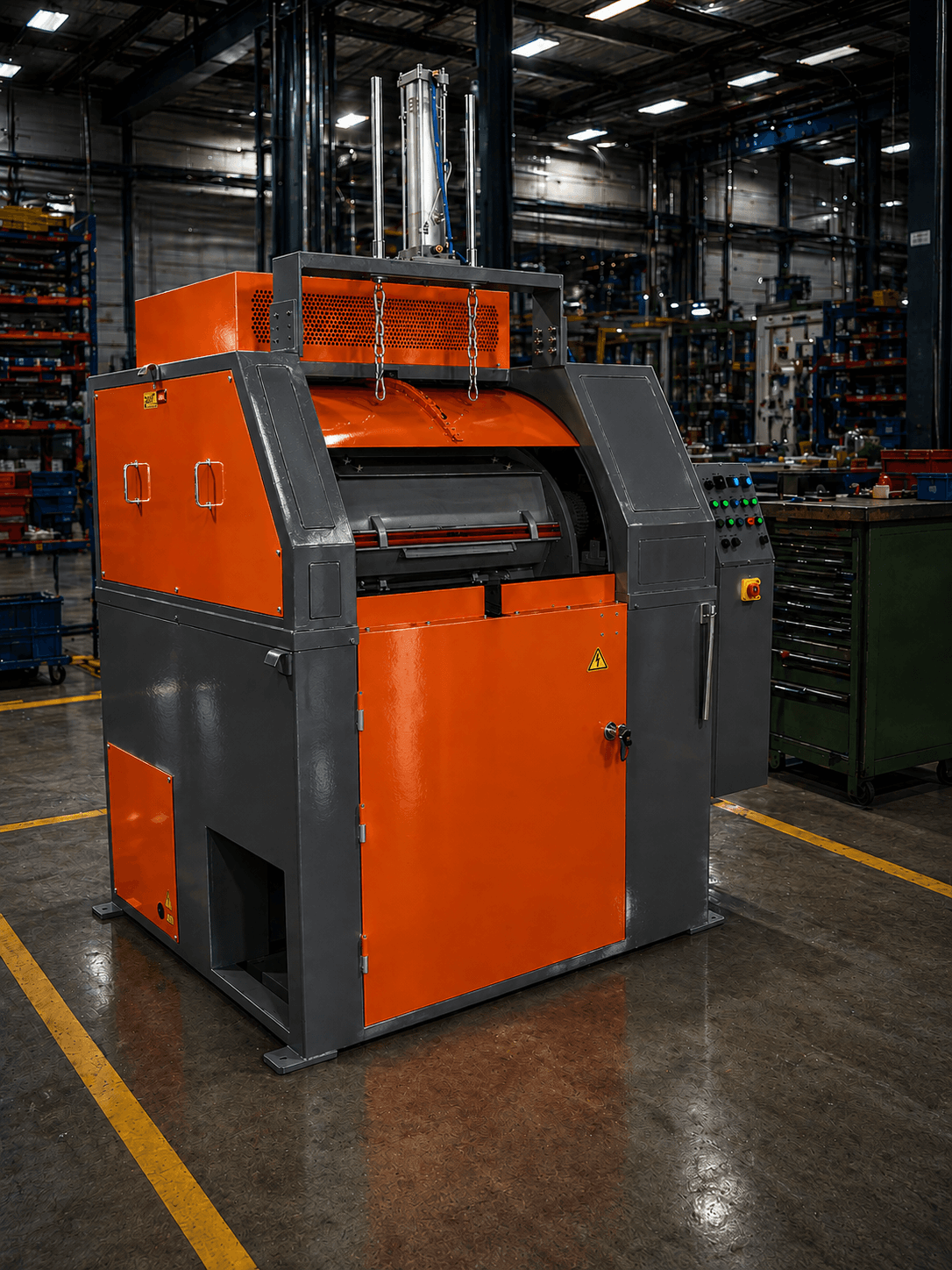
How Much Does a Centrifugal Barrel Finishing Machine Cost in 2026?
Richwood-direct prices run from $9,890 for a benchtop unit to $97,500 for a four-barrel production machine. Here is what each size costs, what moves the final number, and what the machine costs to run.
Read →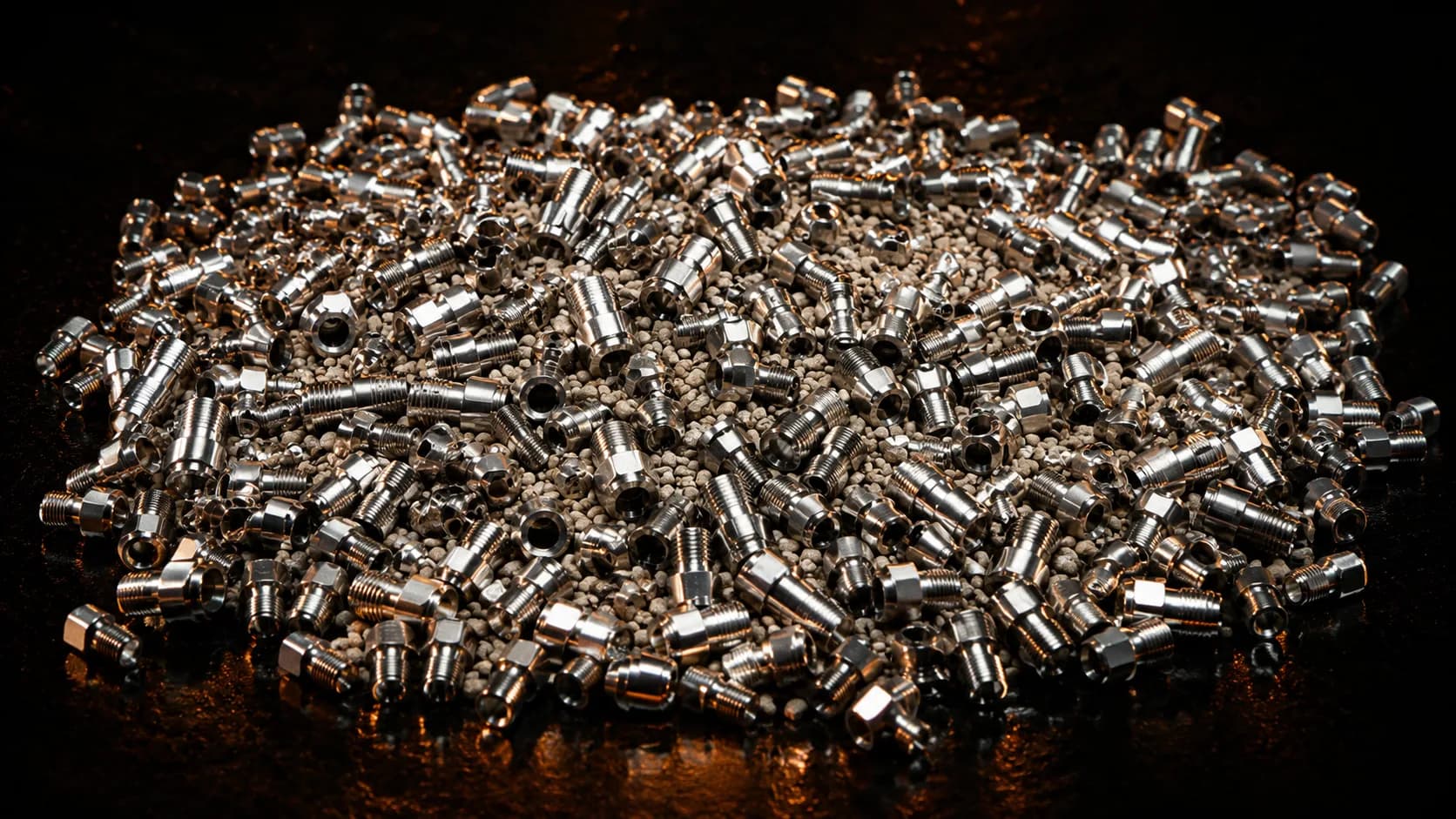
Deburring Firearms Magazines and Ammunition Components with Centrifugal Barrel Finishing
Feed lips, followers, floor plates, and guide rails need a burr-free edge on every unit or the magazine fails under fire. Centrifugal barrel finishing gives the same isotropic edge on the ten thousandth part as the first. Here is how the process is set up.
Read →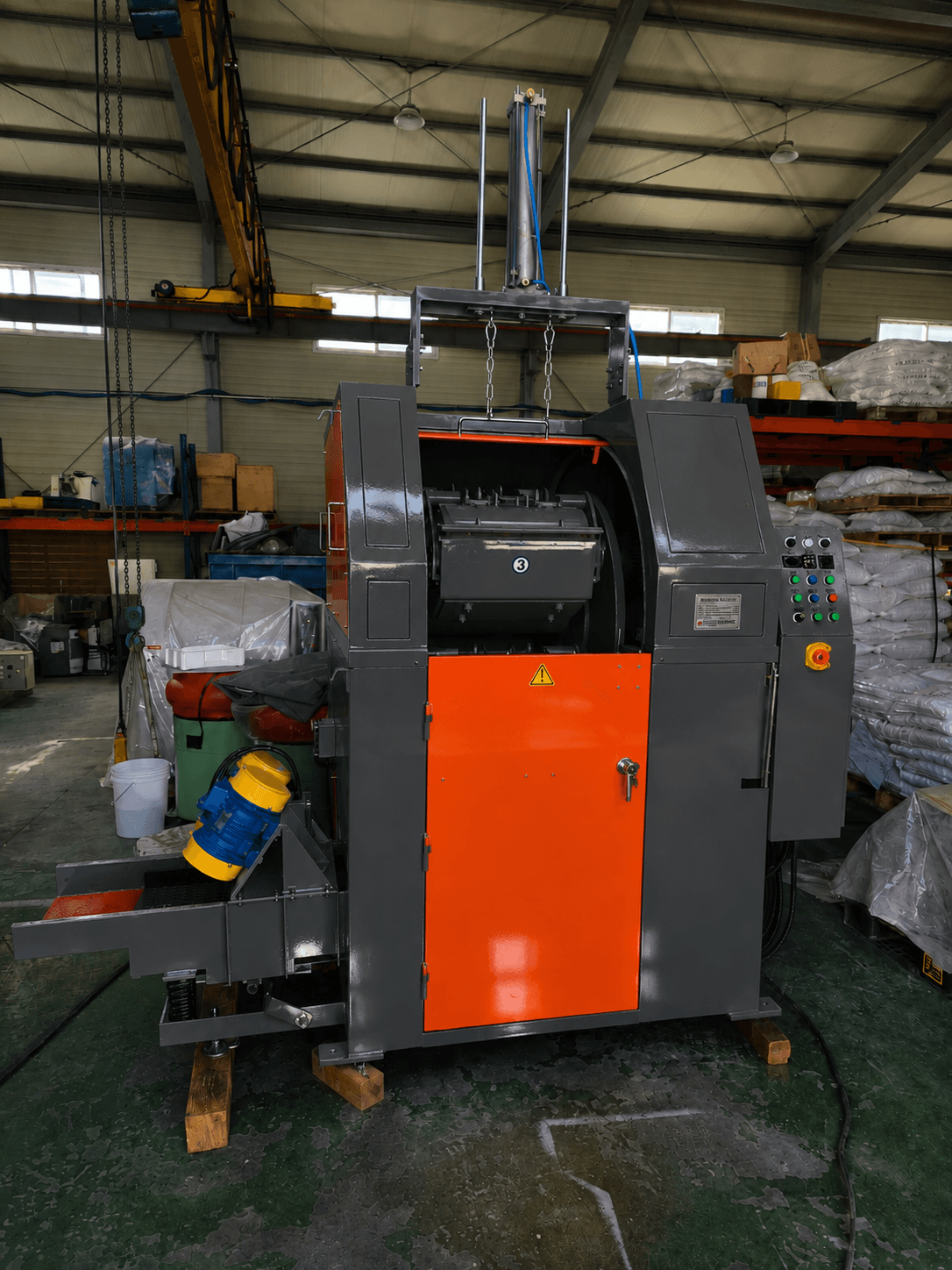
Your Deburring Machine Just Failed. Here Is What You Can Do This Week.
Lock it out, protect the parts, keep orders moving, and qualify a replacement on real parts, all inside a week. Richwood keeps centrifugal barrel finishing machines in stock in Los Angeles and ships in about one week, not 90 days.
Read →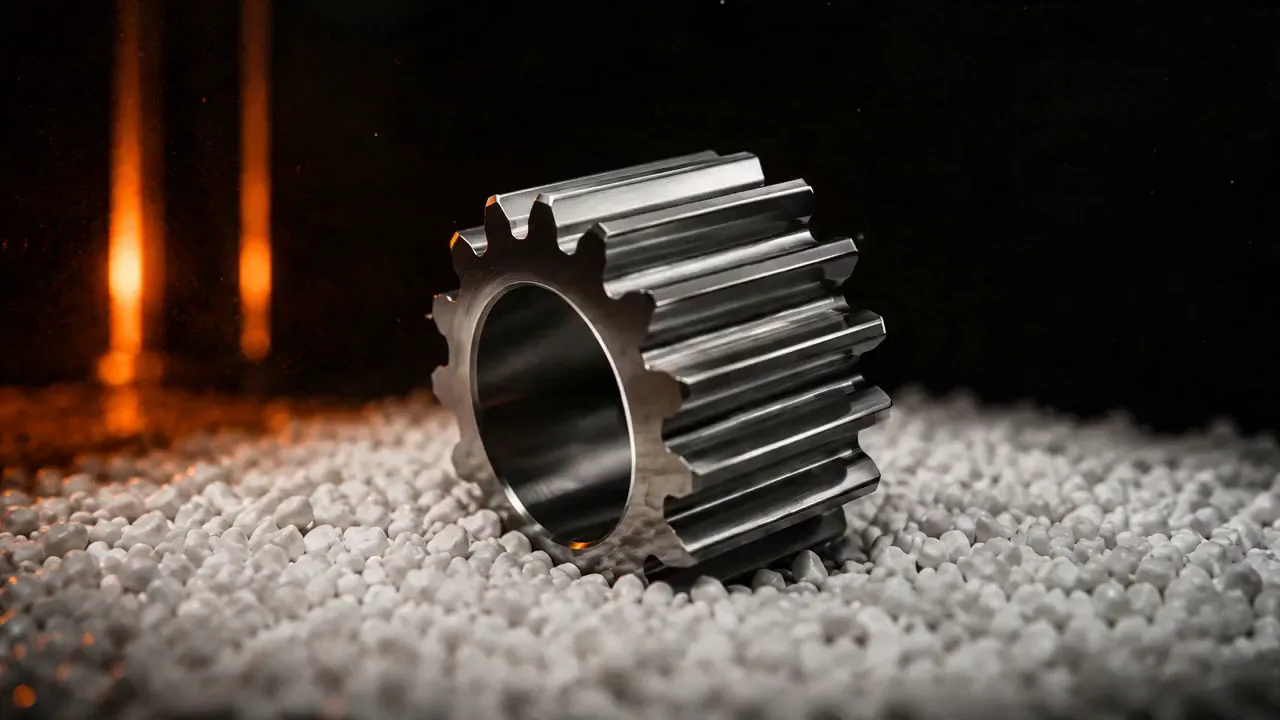
Finishing 3D-Printed Metal Parts: Removing Layer Lines and Support Marks in a Centrifugal Barrel
Yes, centrifugal barrel finishing knocks down layer lines and support witness marks on printed metal parts, on the surfaces the media can reach. Here is how to prepare the part, choose media, stage the cycles, and know when another process is the right call.
Read →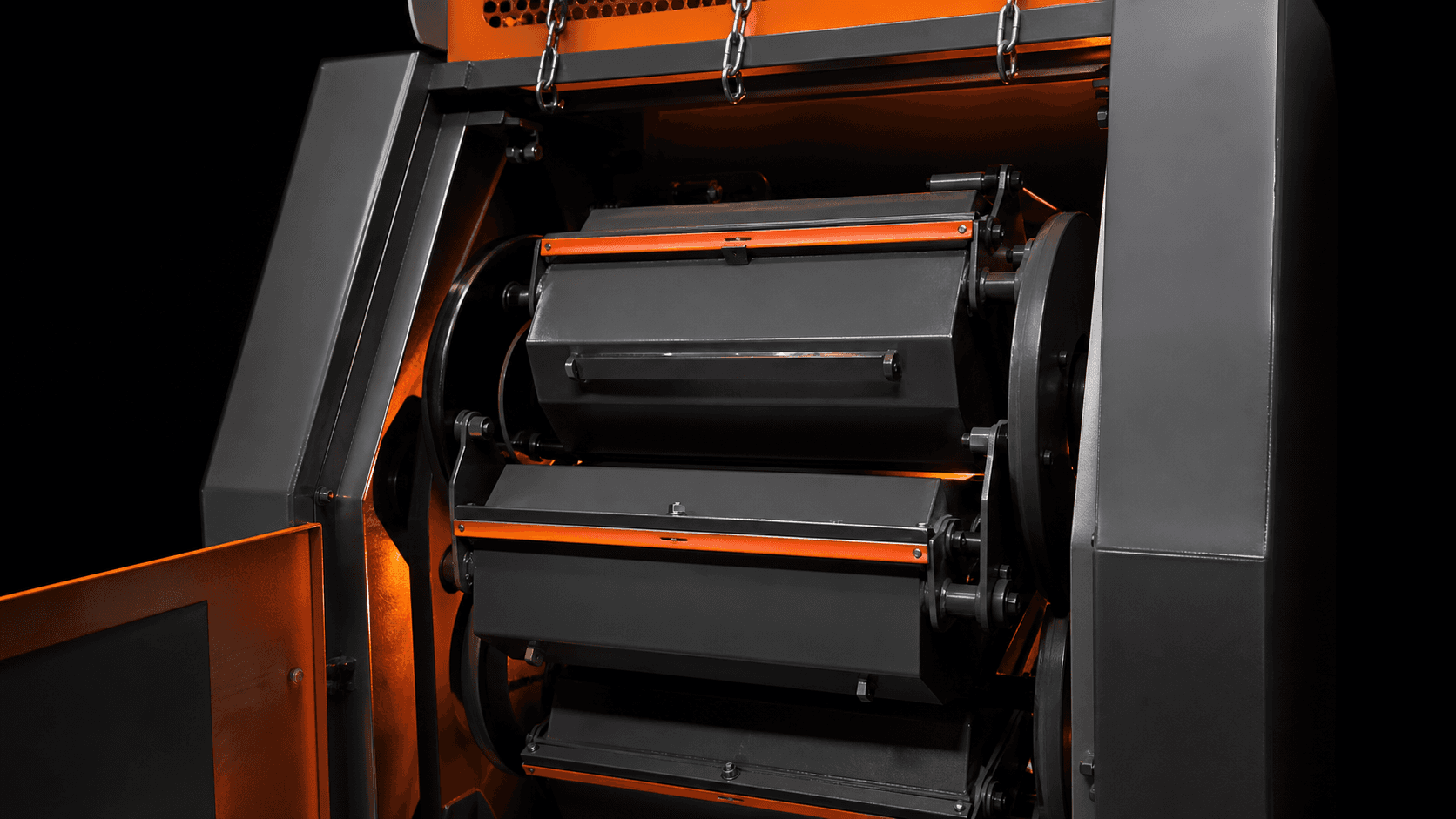
How Long Does a Centrifugal Barrel Finishing Cycle Take?
Most deburring cycles run 15 to 45 minutes. Edge radiusing and heavier cutting take about an hour. A polish or mirror finish is a multi-stage job of one to three hours. Here is what sets the time and how to shorten it.
Read →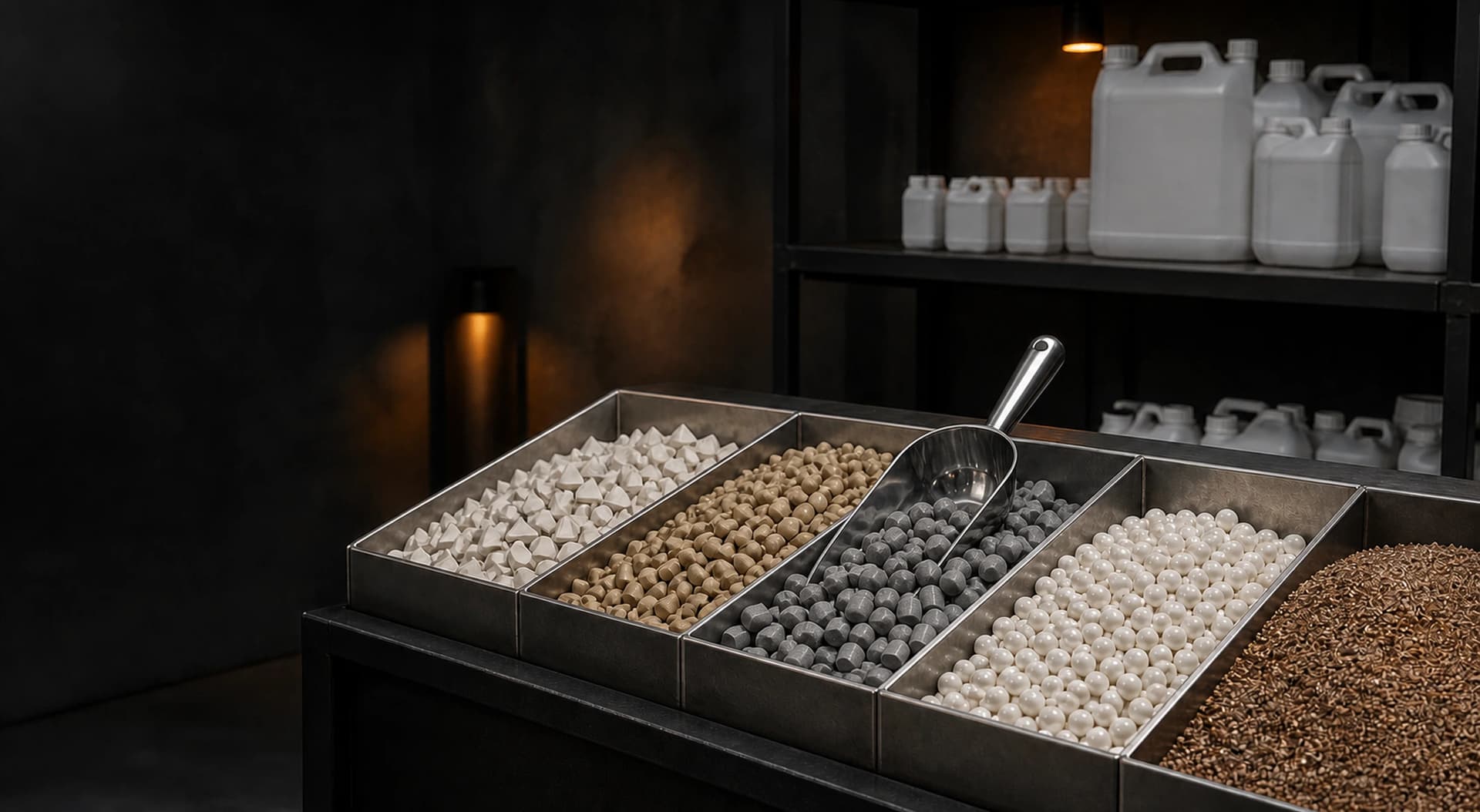
Which Tumbling Media Should You Use in a Centrifugal Barrel? A Selection Guide
Ceramic for cutting steel and hard metals. Plastic for aluminum, brass, and pre-plate work. Porcelain and steel for a bright finish. Here is how to match media material, shape, and size to your part, with Richwood per-pound pricing.
Read →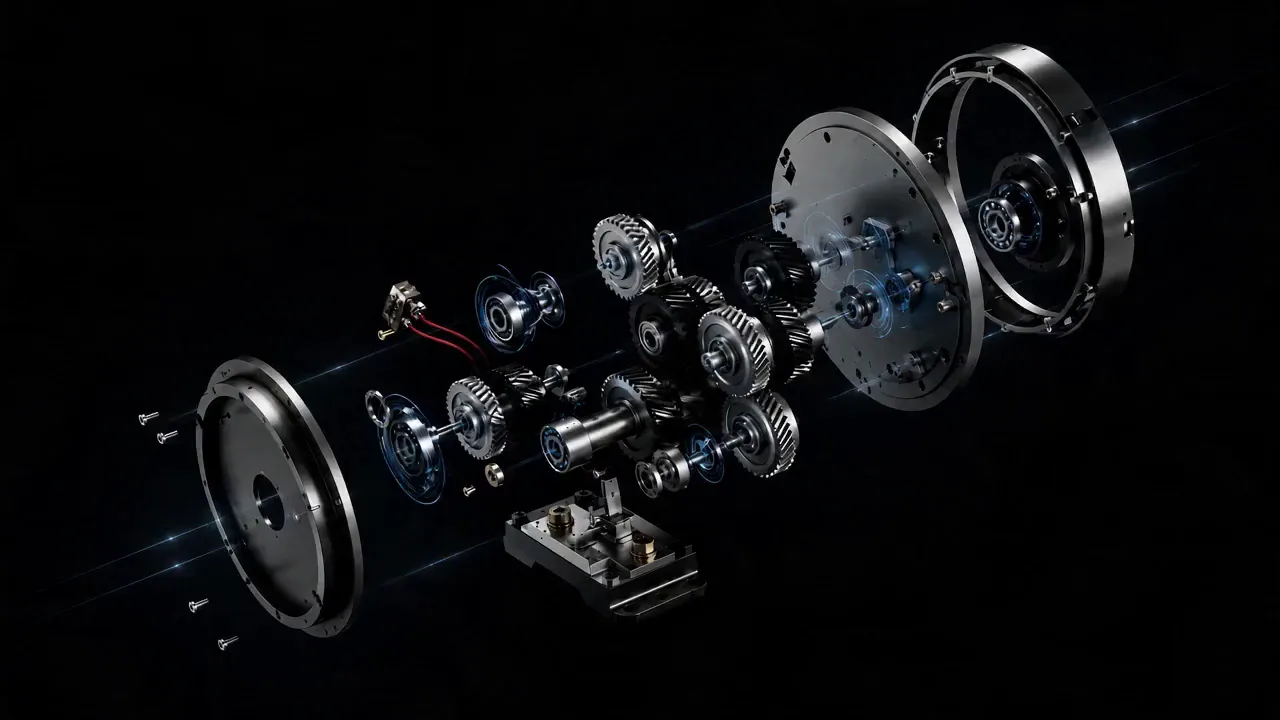
What Is Centrifugal Barrel Finishing?
The fastest way to deburr, radius, and polish metal parts in bulk, explained in plain English: the Ferris-wheel principle, the force, and why the finish is isotropic.
Read →