Mass Finishing
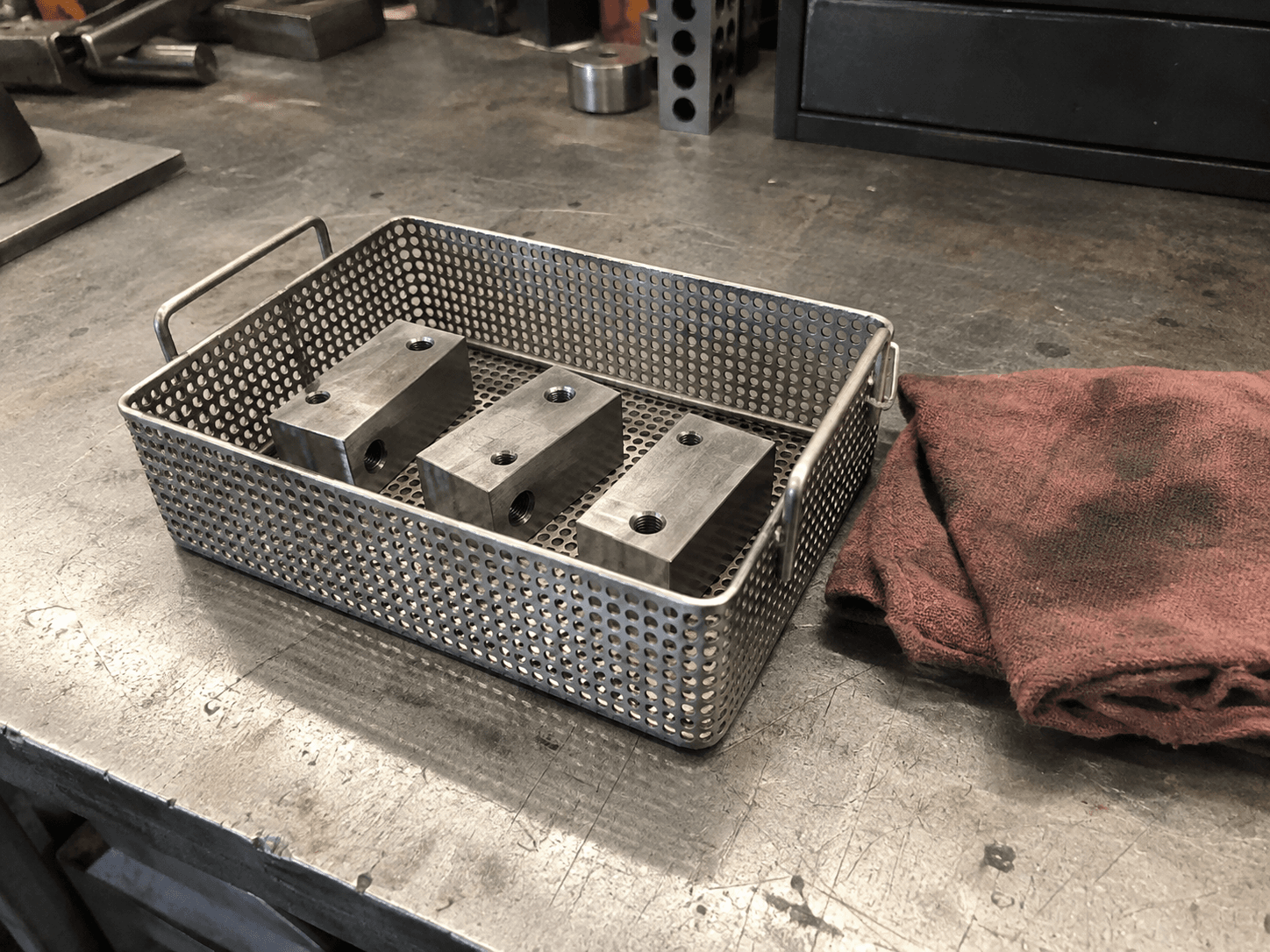
Do Oily Parts Need Cleaning Before Mass Finishing?
A separate prewash is not always necessary. Prove that the finishing process can handle the incoming oil load without compromising the part or the next operation.
Read →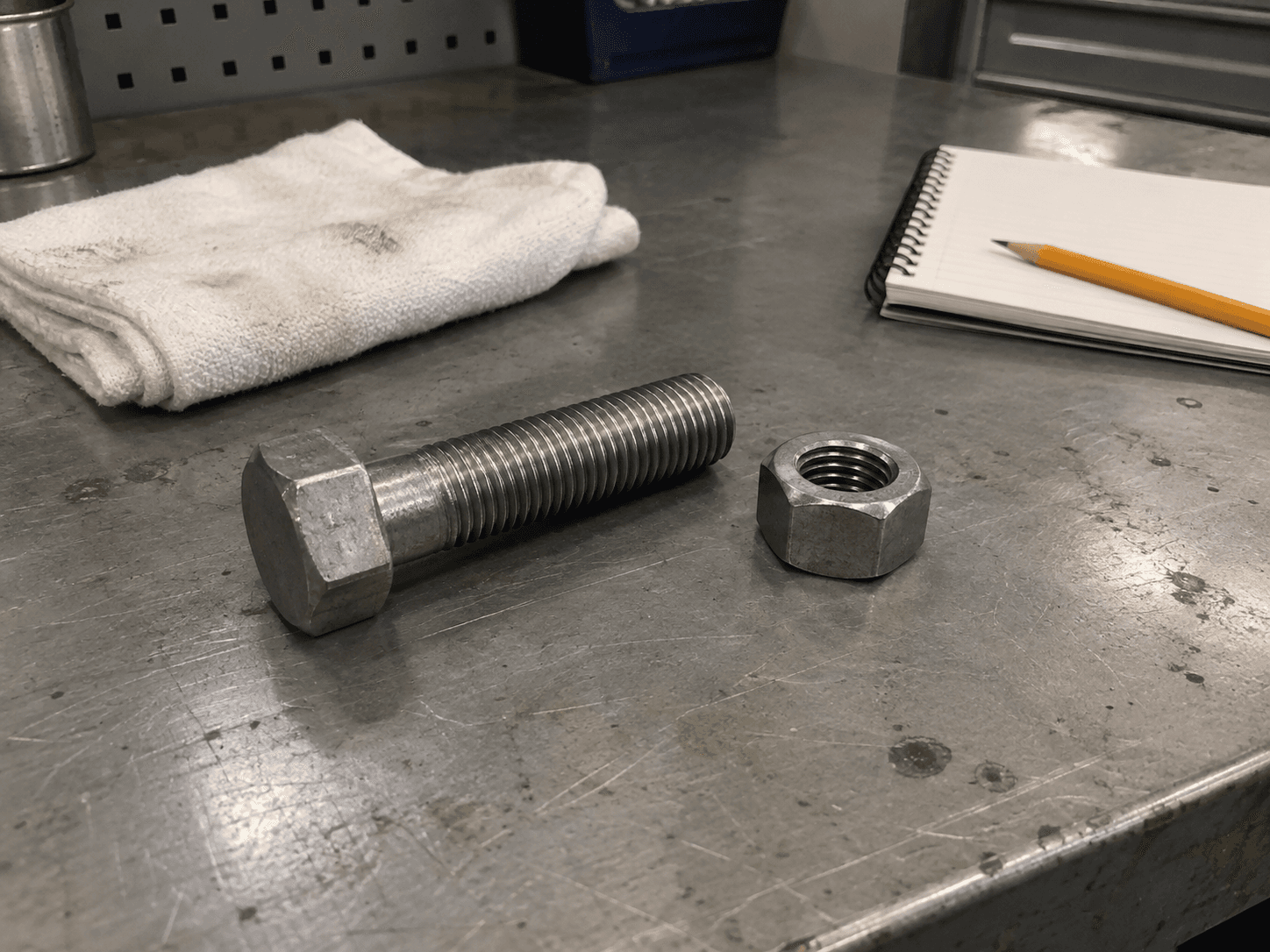
Can You Tumble Threaded Parts Without Losing Thread Fit?
A smooth outside surface does not prove a threaded part is ready to assemble. Separate the finishing job from the thread requirements before choosing a process.
Read →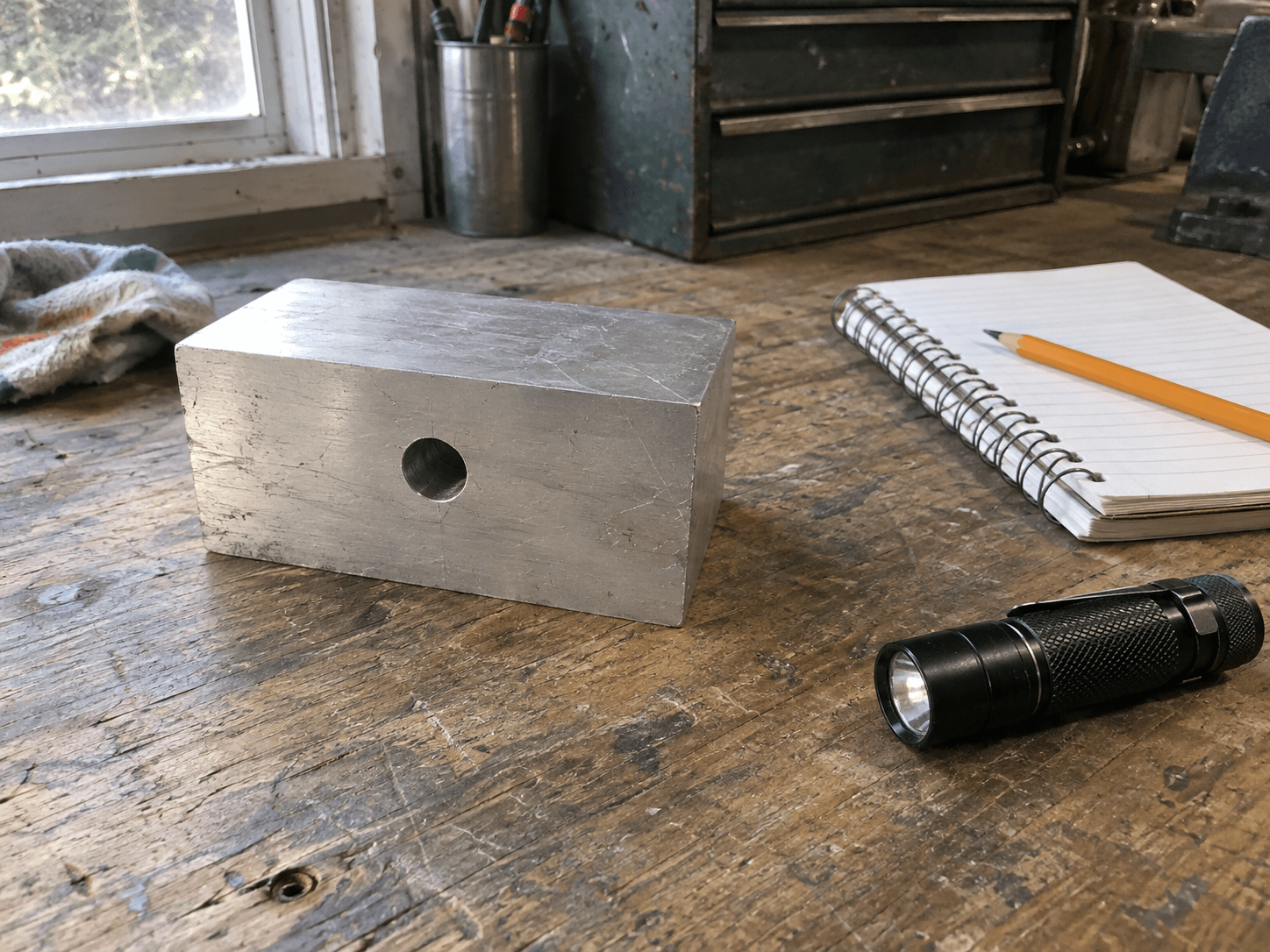
Can Mass Finishing Deburr Internal Holes?
Media entering a hole is not proof that the hidden burr is gone. Check access, removal, feature protection and inspection before accepting the process.
Read →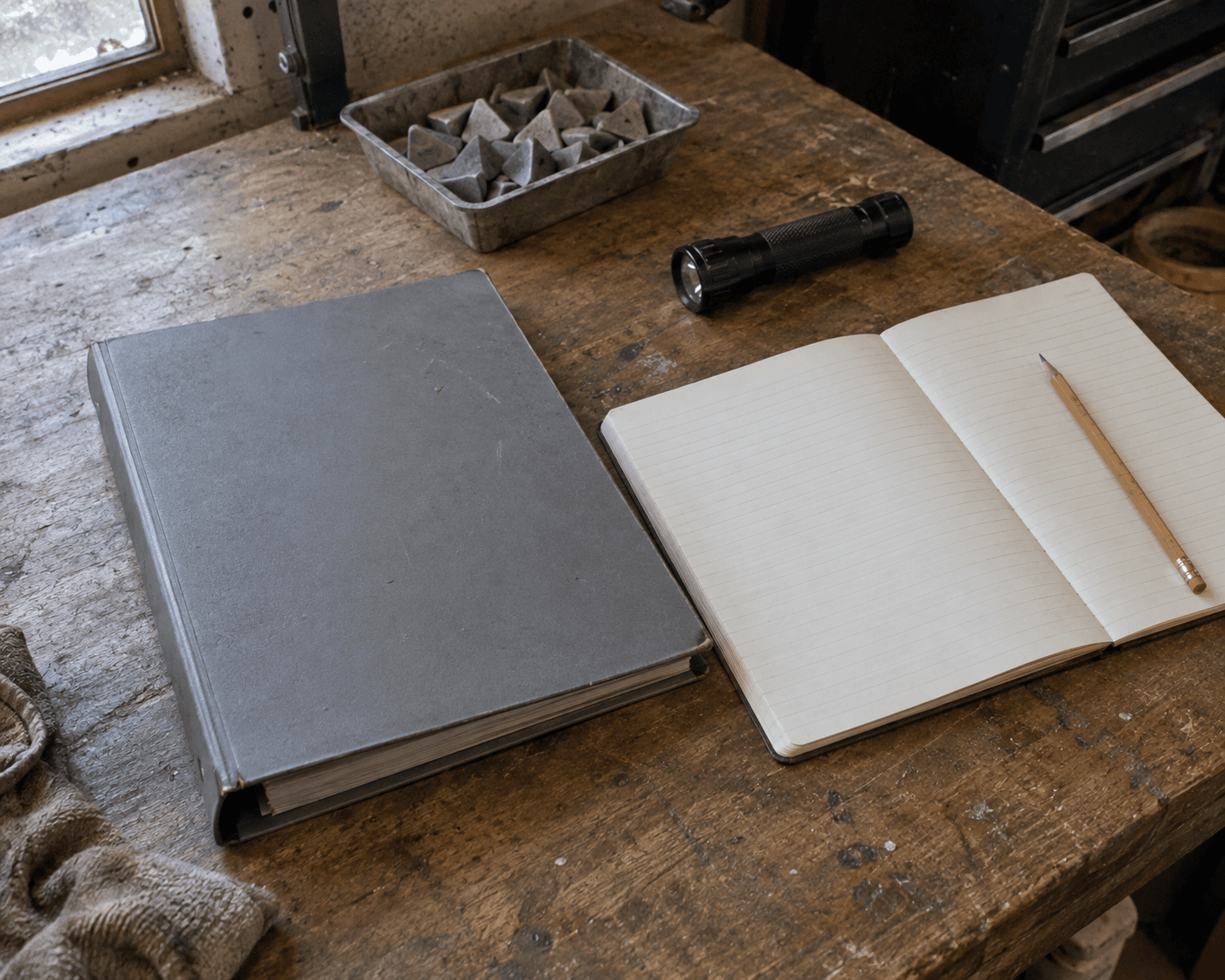
When Should You Reline a Vibratory Finishing Bowl?
A bowl lining is a wear component, but age alone does not tell you when to replace it. Start with the machine, the condition of the lining and the manufacturer's inspection criteria.
Read →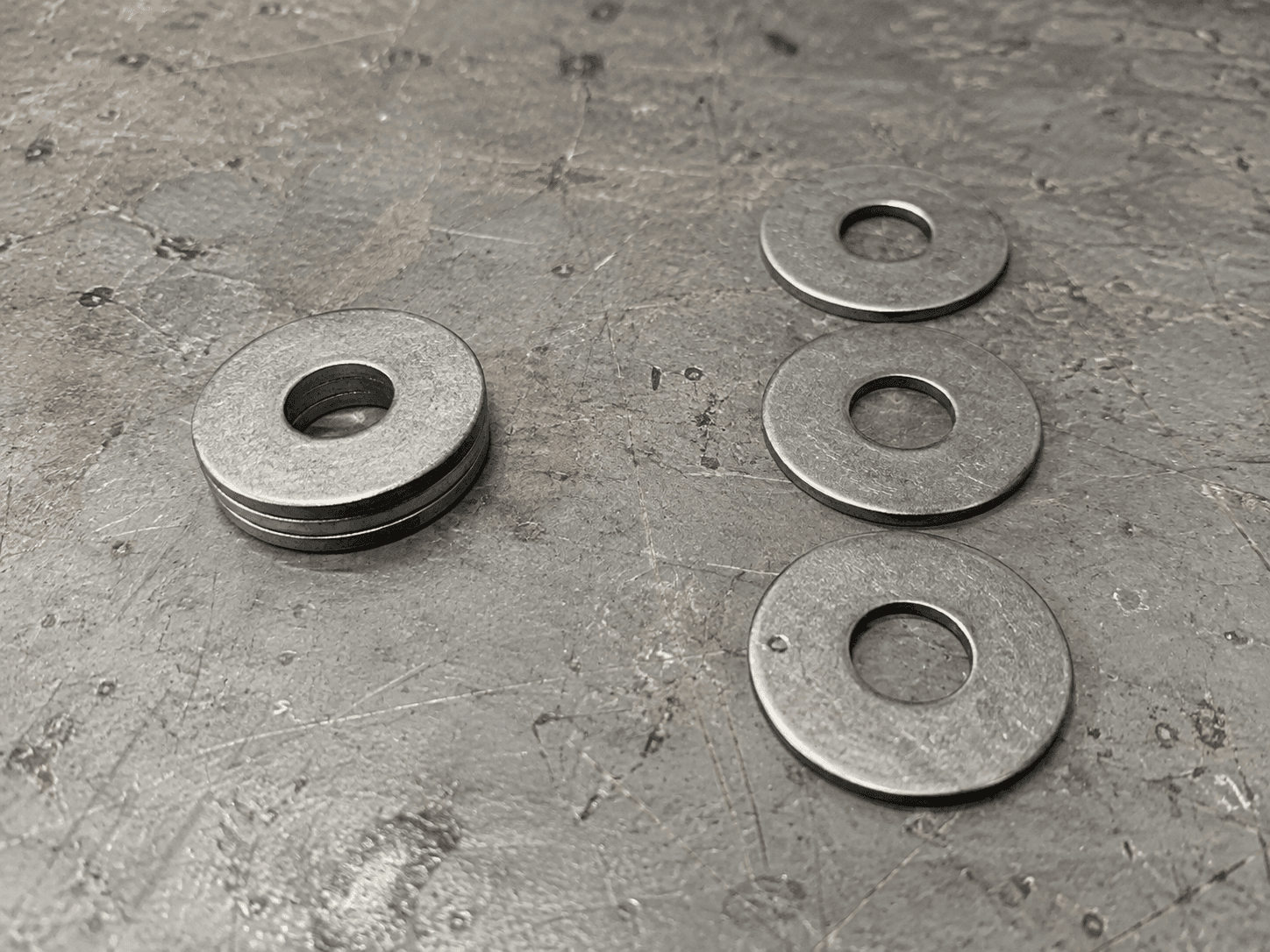
Why Do Flat Parts Stick Together During Mass Finishing?
A stuck stack is a media-access problem, not simply a cycle-time problem. Separate the causes, test one change at a time and inspect the hidden surfaces.
Read →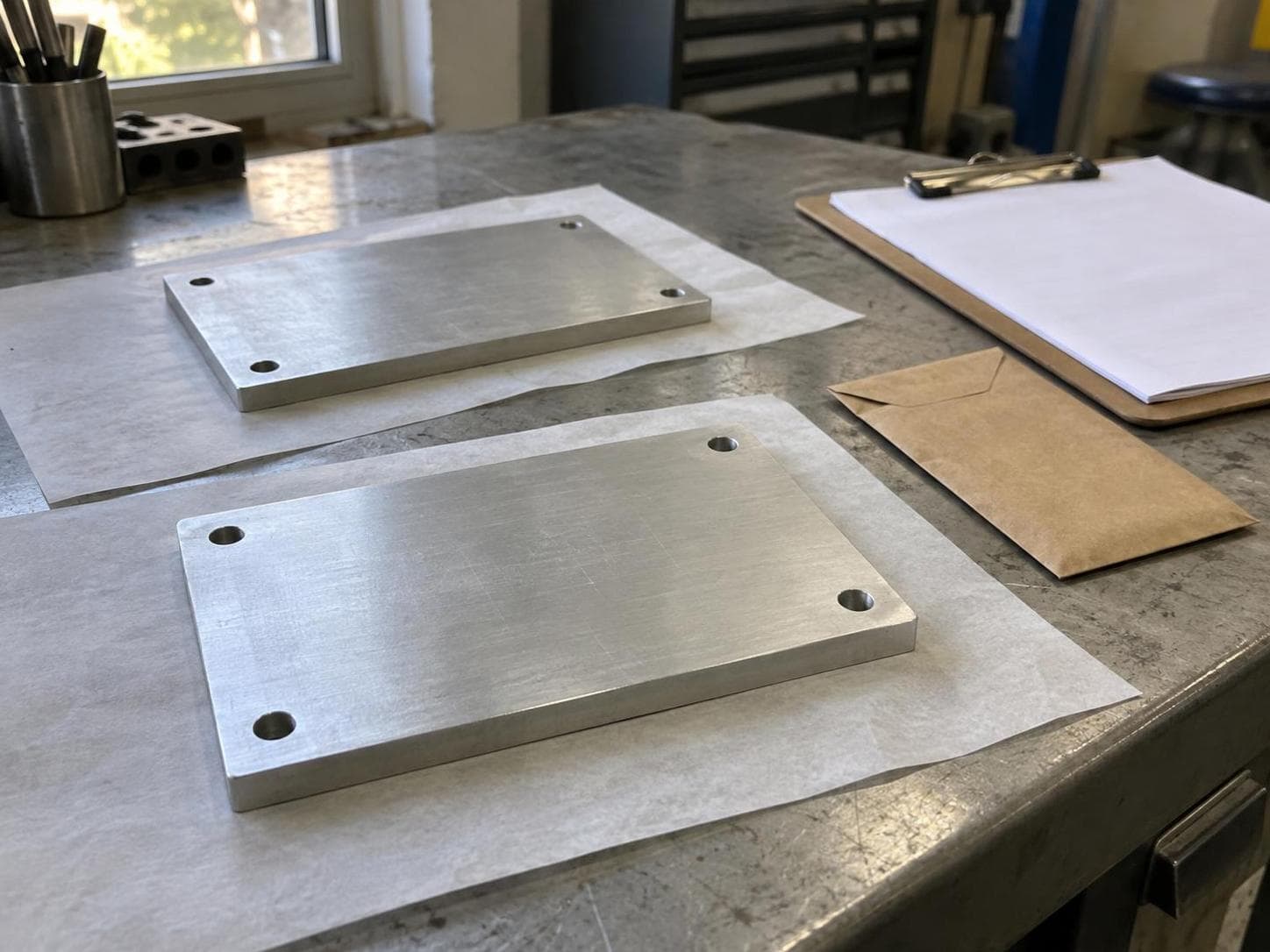
Deburring Before Anodizing: Agree on the Finished Part, Not Just the Bare Metal
A burr-free aluminum part is not automatically ready for anodizing. Agree on the final appearance and critical features before choosing the finishing process.
Read →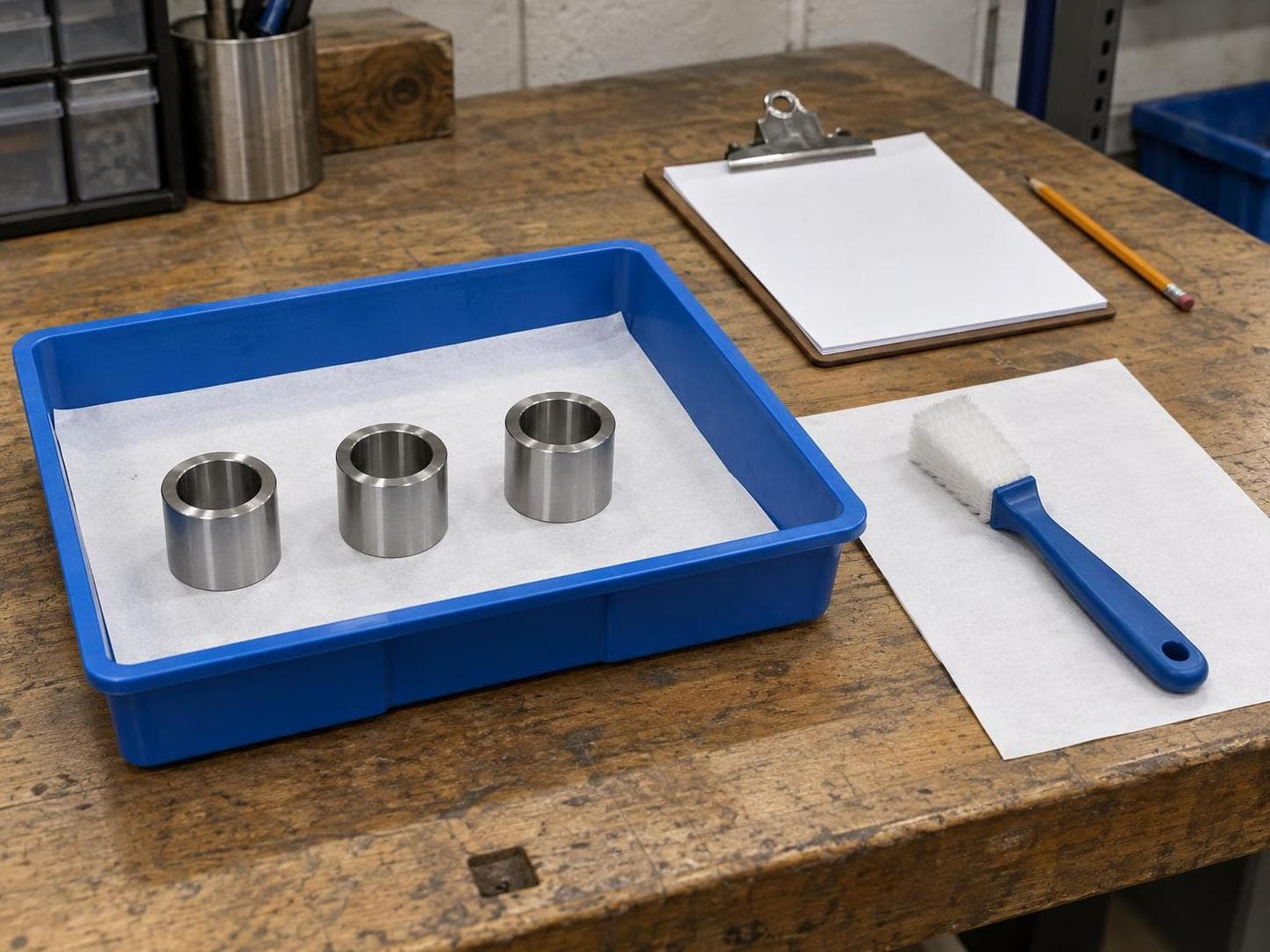
Can Stainless Parts Use a Finishing Machine That Just Ran Carbon Steel?
An empty machine is not necessarily a clean one. Review the complete changeover before stainless parts follow a carbon-steel finishing job.
Read →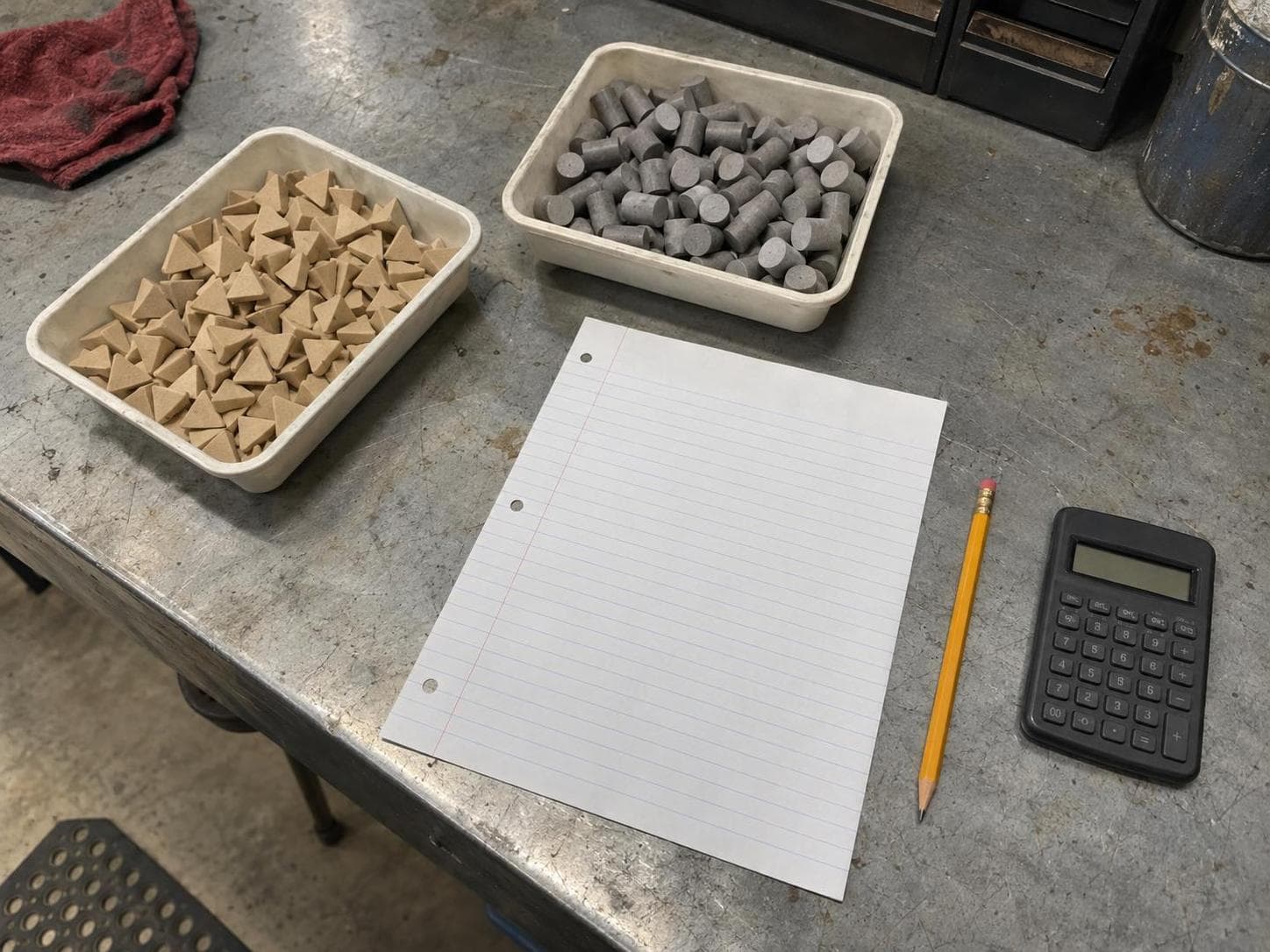
Cheaper Tumbling Media? Compare Cost per Accepted Part, Not Price per Pound
A recent media-trial report raises a useful buying question: does a cheaper bag actually lower finishing cost? Start with accepted parts and the complete process.
Read →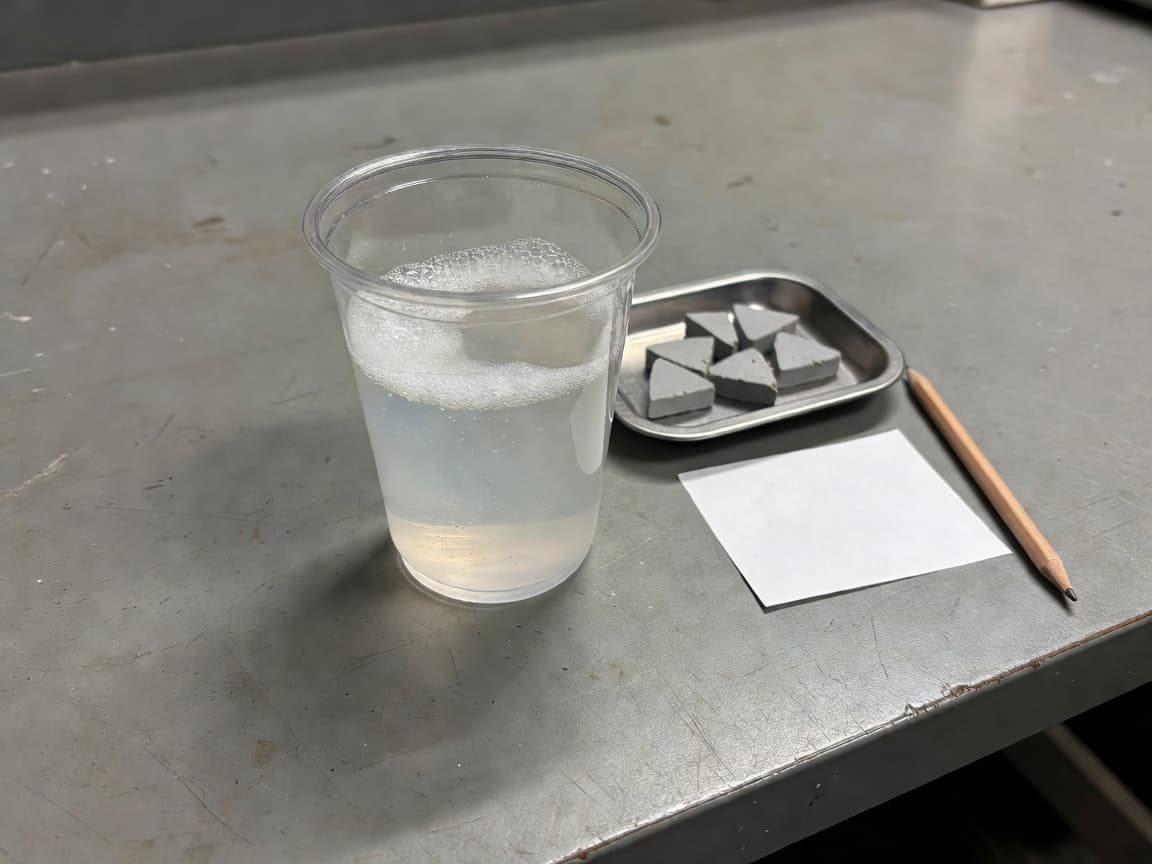
Too Much Foam in Wet Mass Finishing? Check the Process Before Adding Defoamer
Foam is a troubleshooting clue, not a diagnosis. Compare the current process with the last good batch before adding defoamer or changing the cycle.
Read →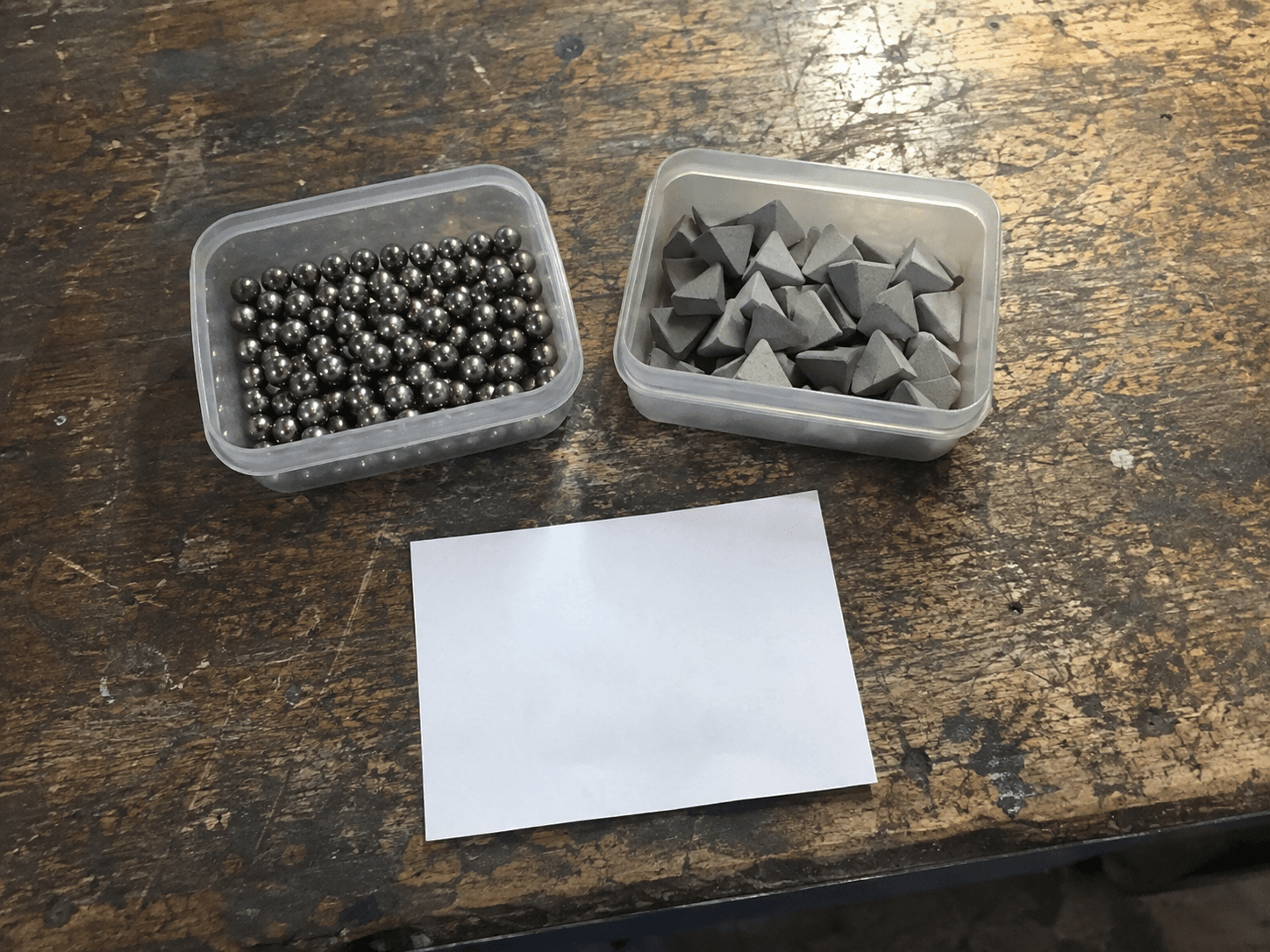
Burnishing Media vs. Cutting Media: Which Job Are You Asking It to Do?
Start with what must change on the part. Separate abrasive burr removal from burnishing, then define the trial and acceptance checks.
Read →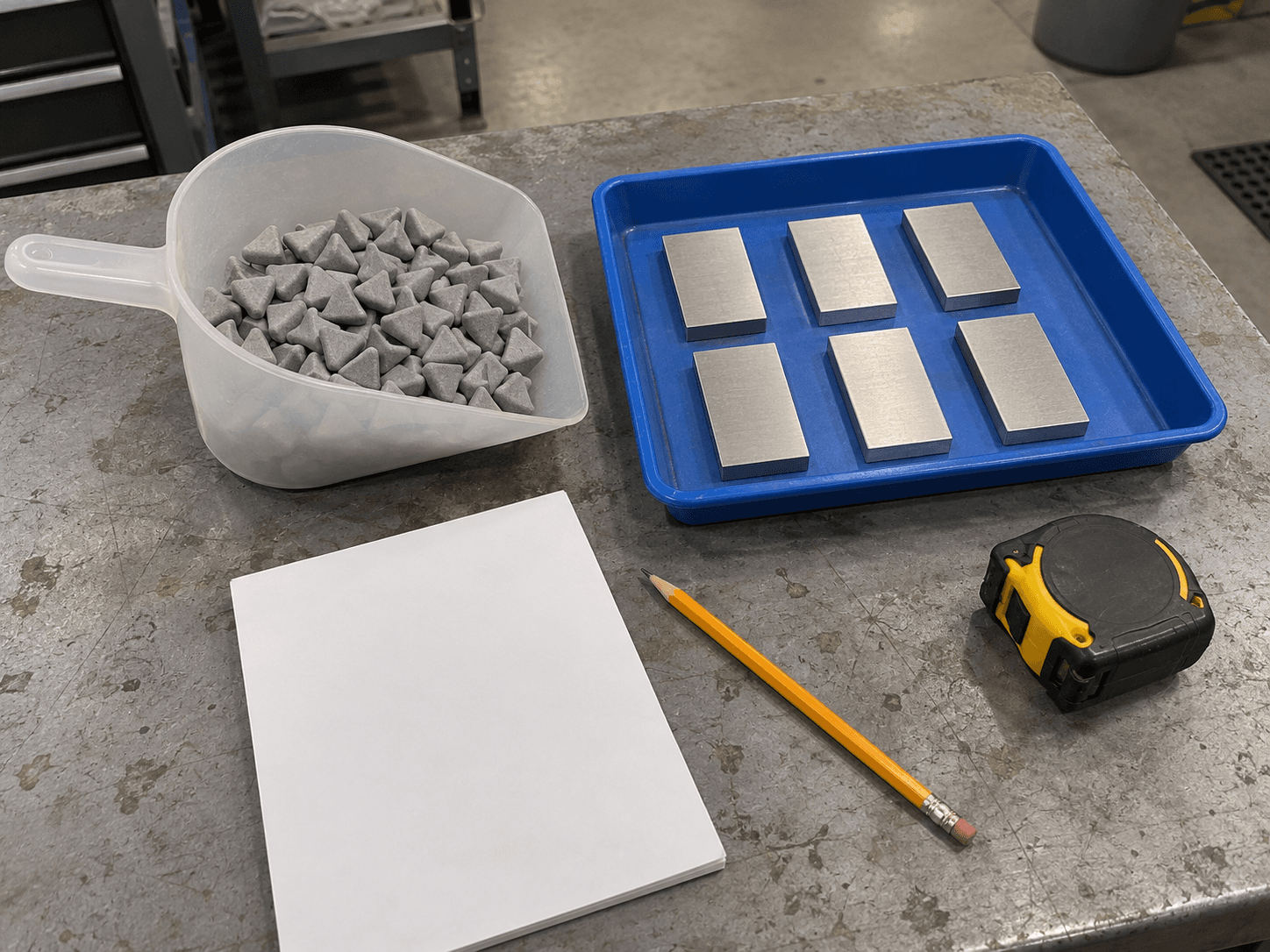
How Many Parts Fit in a Mass-Finishing Machine?
Start with the part, not the capacity label. A useful sizing check separates chamber volume from a qualified part-and-media load and accepted output.
Read →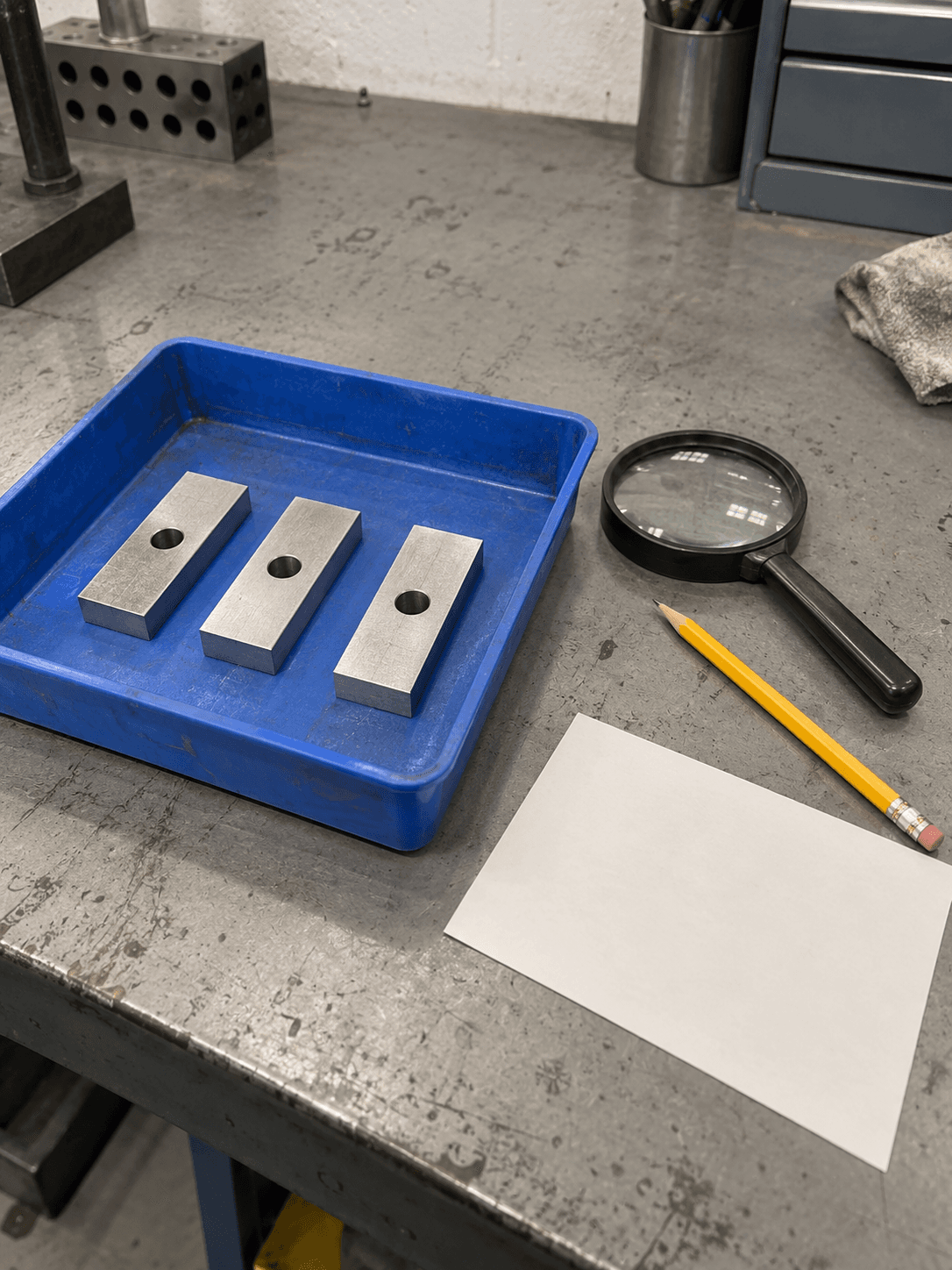
Heavy Machining Burrs: Change the Cut or the Finishing Cycle?
A heavier burr is not automatically a longer-cycle problem. Check its attachment and accessibility, then compare upstream changes with the finishing baseline.
Read →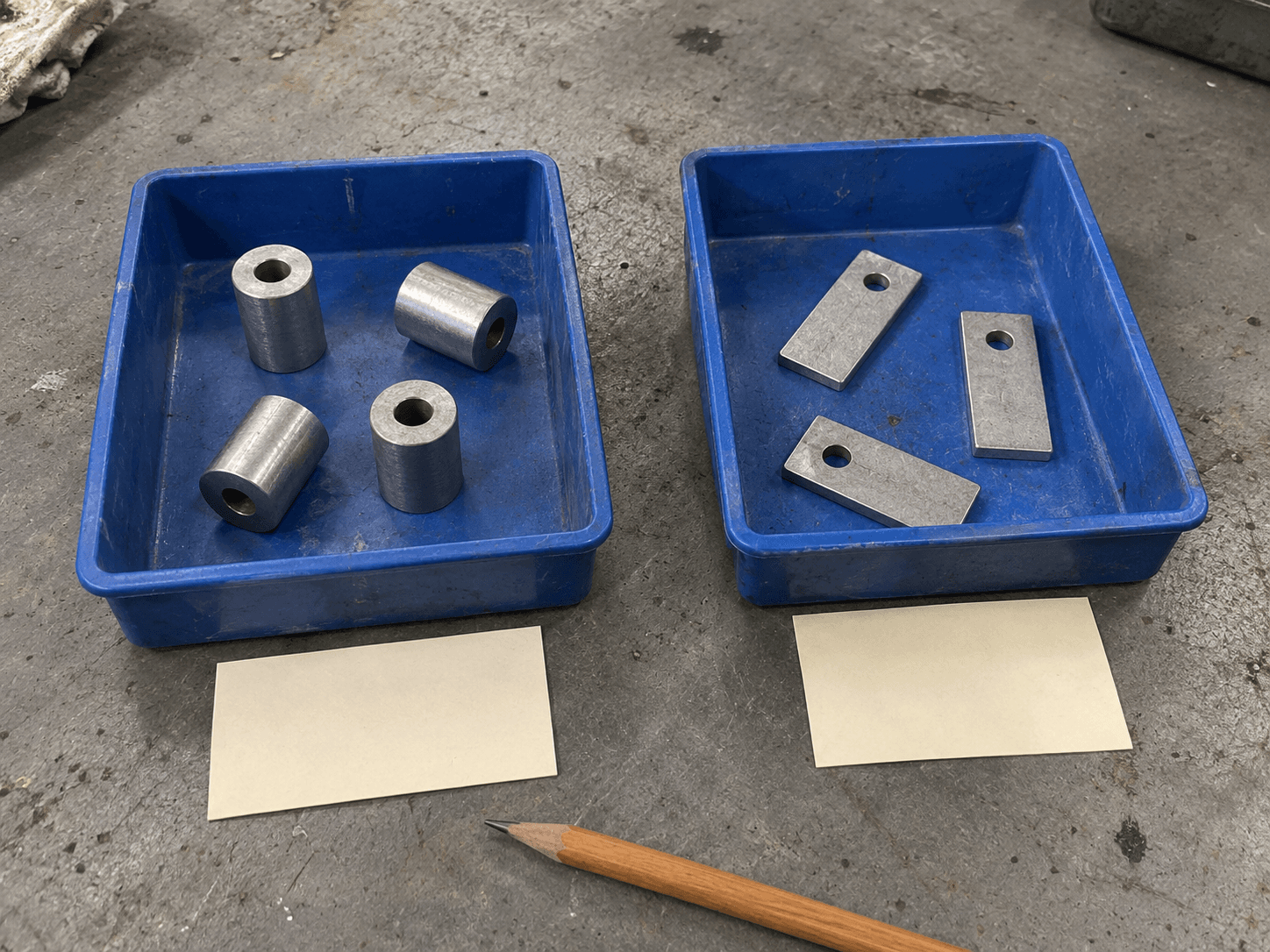
Can Different Parts Share the Same Mass-Finishing Batch?
A mixed load needs more than spare machine capacity. Establish compatibility and acceptance for every part family before combining finishing batches.
Read →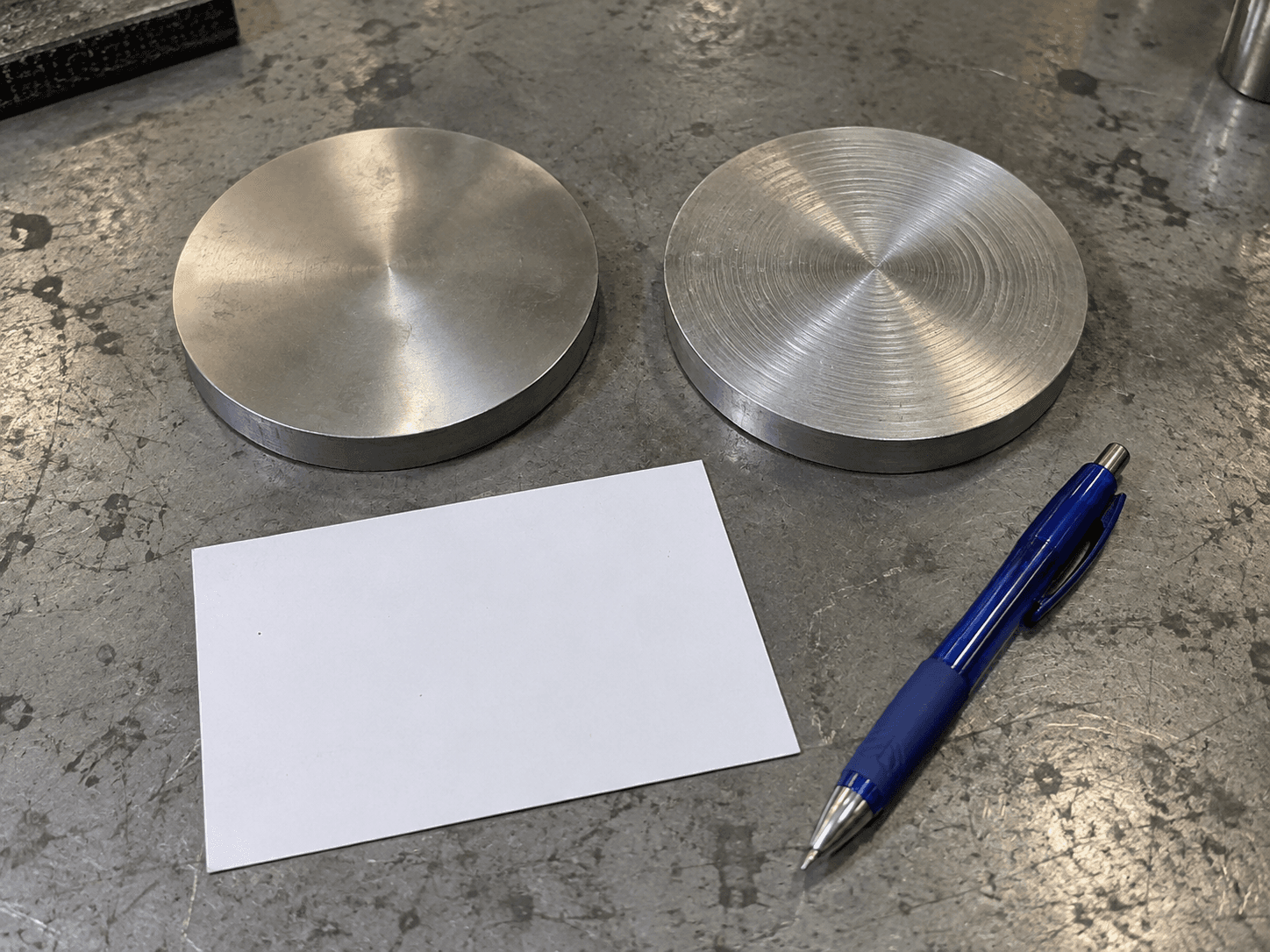
Does a Shiny Part Meet Its Surface-Roughness Requirement?
Separate appearance from measured roughness before choosing a finishing process. Agree on the surface, inspection method and other features that must pass.
Read →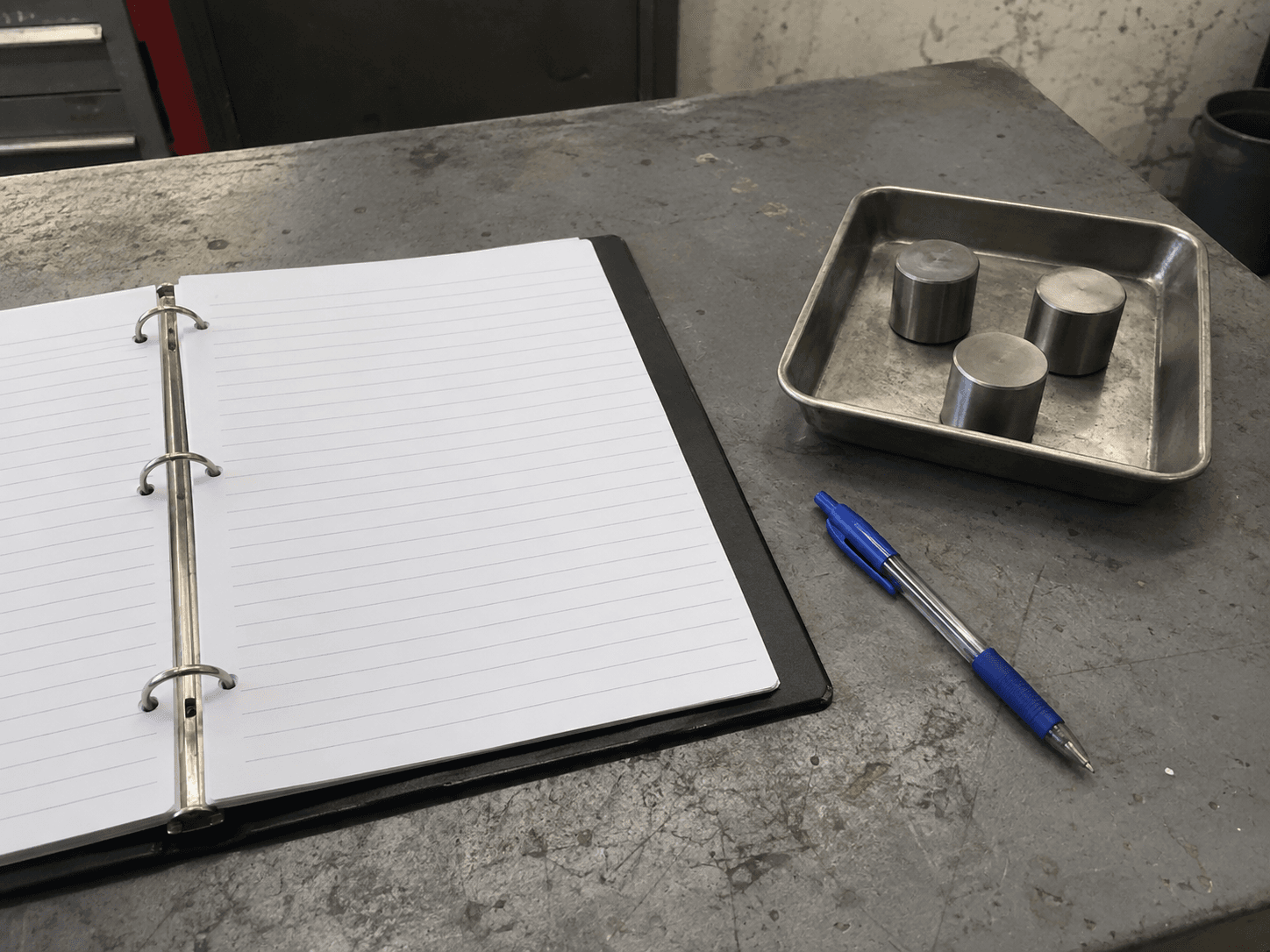
How Do You Repeat a Good Mass-Finishing Result on the Next Shift?
A timer setting is not a process record. Capture the part, setup, consumables and acceptance checks before handing a finishing job to the next shift.
Read →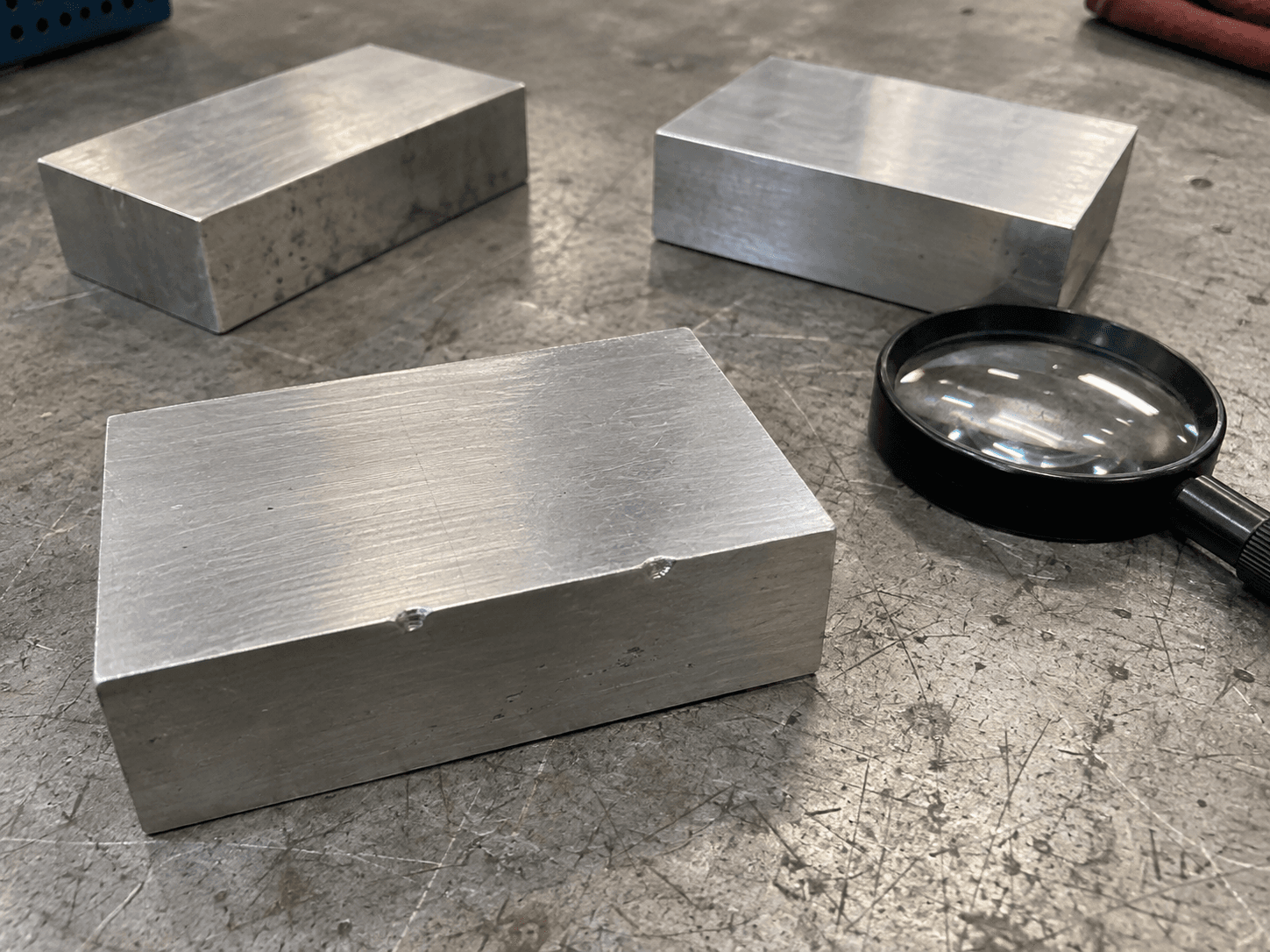
Why Are Parts Getting Dings During Mass Finishing?
A burr-free part can still fail inspection. Find where new marks appear and decide whether loose-batch finishing fits the surfaces you need to protect.
Read →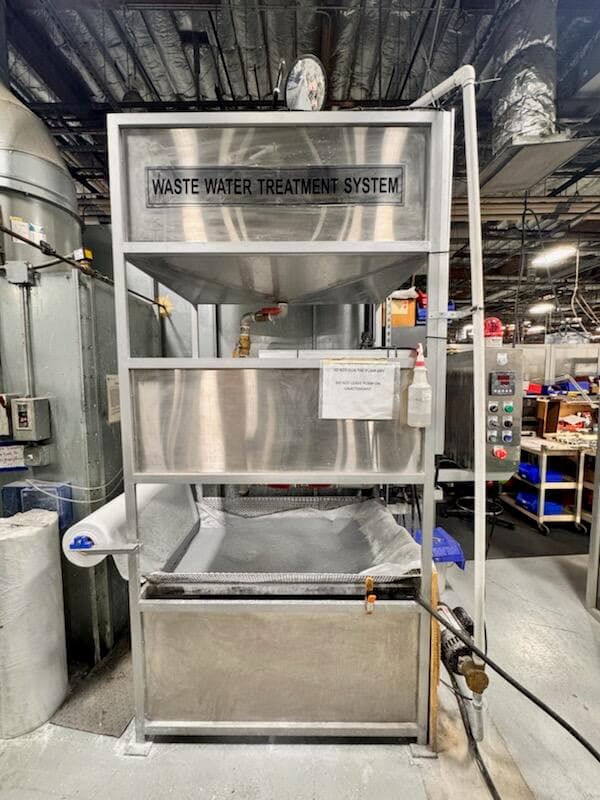
Can You Reuse Water from Mass Finishing?
Reusing finishing water starts with the process, not the tank. Separate machine reuse, rinse needs, and discharge requirements before choosing treatment equipment.
Read →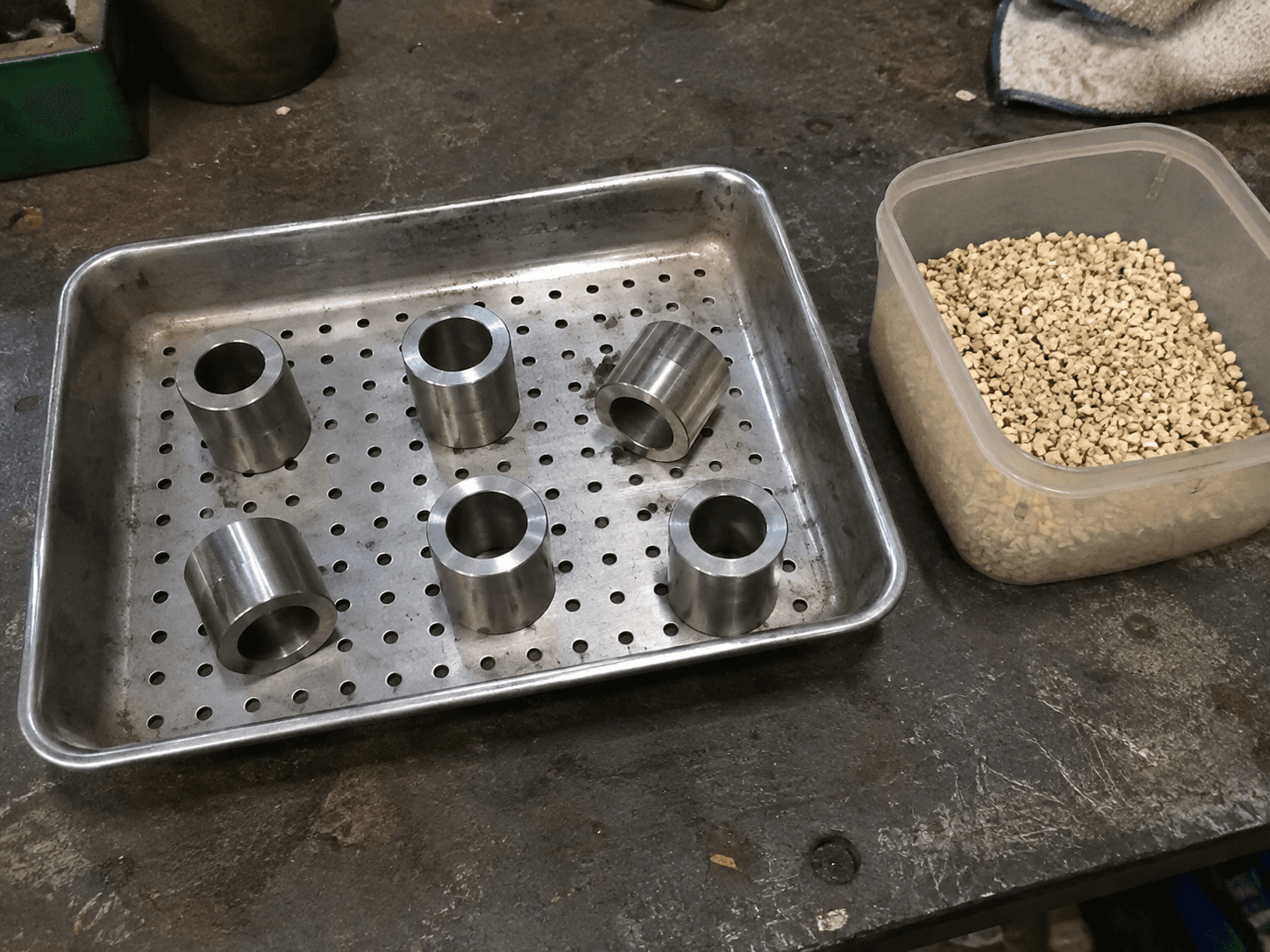
How Should You Dry Parts After Wet Mass Finishing?
Choose a drying approach after wet mass finishing by checking part geometry, handling limits, media separation, and the requirements of the next operation.
Read →How to Choose a Mass-Finishing Compound: Start With the Job It Must Do
Compound selection starts with the part and the problem—not just the product name. Use this checklist to prepare a better process-match request.
Read →