
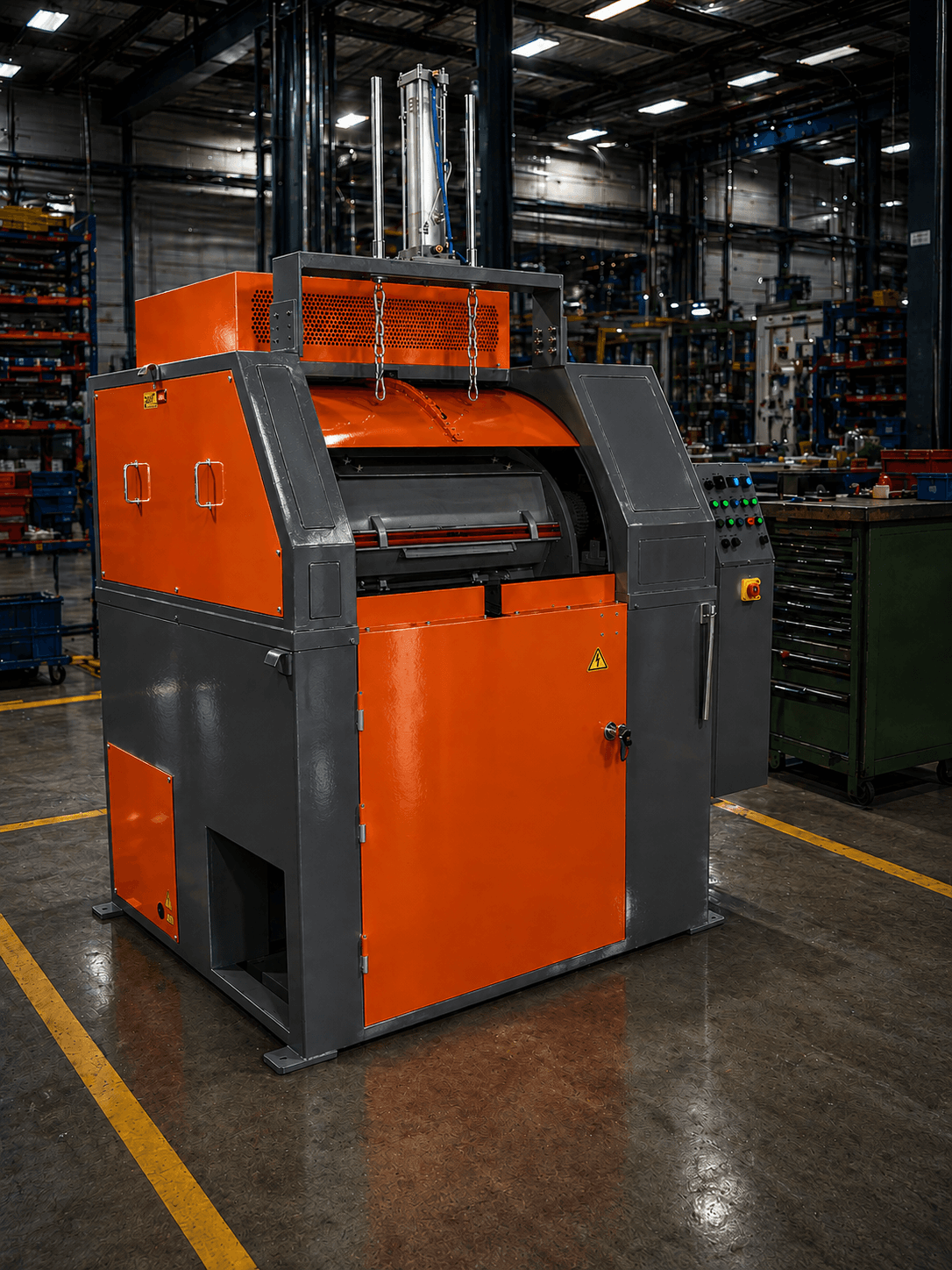
How Much Does a Centrifugal Barrel Finishing Machine Cost in 2026?
Richwood-direct prices run from $9,890 for a benchtop unit to $97,500 for a four-barrel production machine. Here is what each size costs, what moves the final number, and what the machine costs to run.
Read →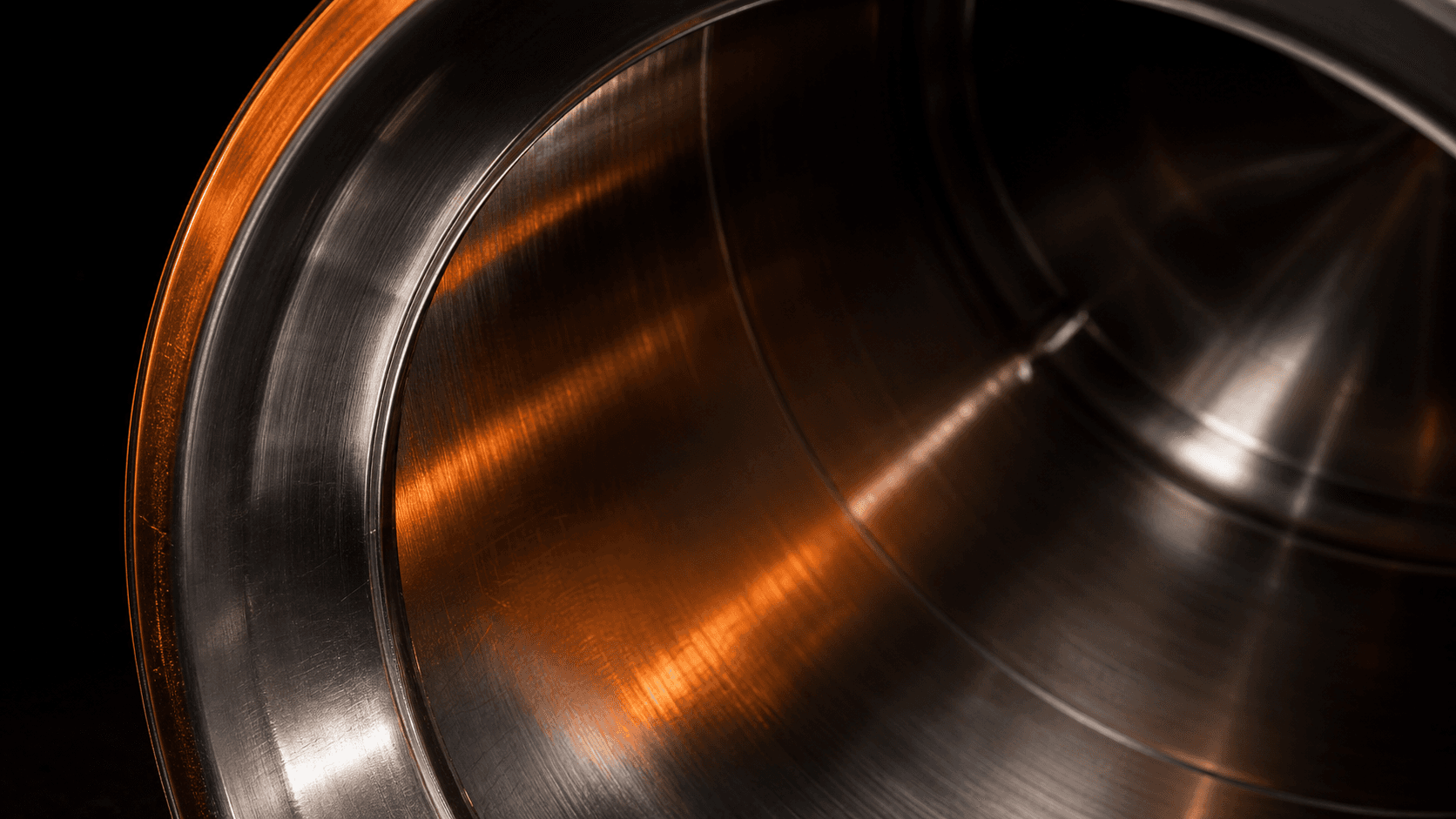
Centrifugal Barrel vs Centrifugal Disc Finishing: Which One Fits Your Parts?
Both are high-energy processes. A barrel is a sealed batch machine with the highest force and the most control. A disc is an open bowl that loads fast and suits large volumes of small, tough parts. Here is how to choose.
Read →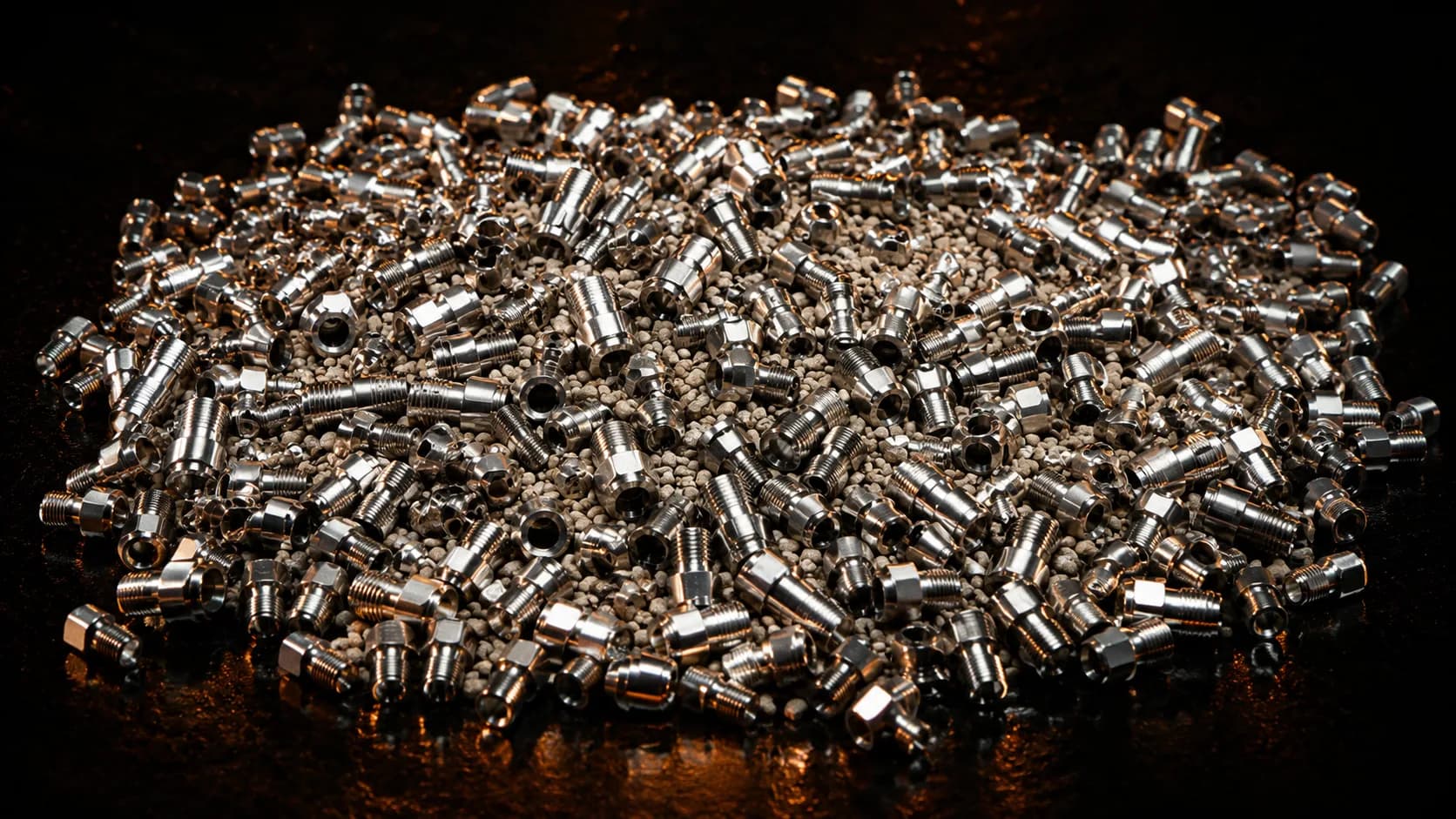
Deburring Firearms Magazines and Ammunition Components with Centrifugal Barrel Finishing
Feed lips, followers, floor plates, and guide rails need a burr-free edge on every unit or the magazine fails under fire. Centrifugal barrel finishing gives the same isotropic edge on the ten thousandth part as the first. Here is how the process is set up.
Read →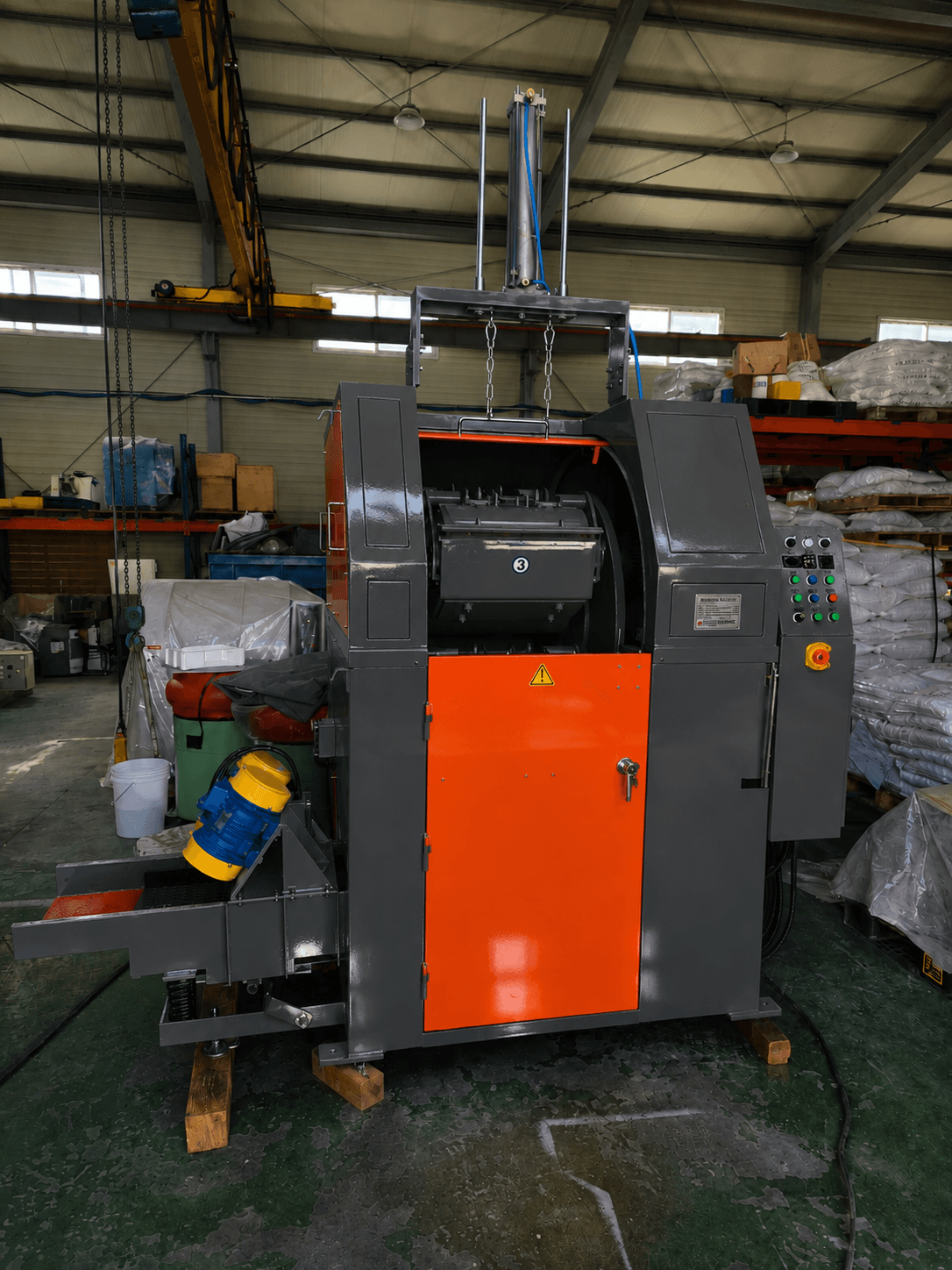
Your Deburring Machine Just Failed. Here Is What You Can Do This Week.
Lock it out, protect the parts, keep orders moving, and qualify a replacement on real parts, all inside a week. Richwood keeps centrifugal barrel finishing machines in stock in Los Angeles and ships in about one week, not 90 days.
Read →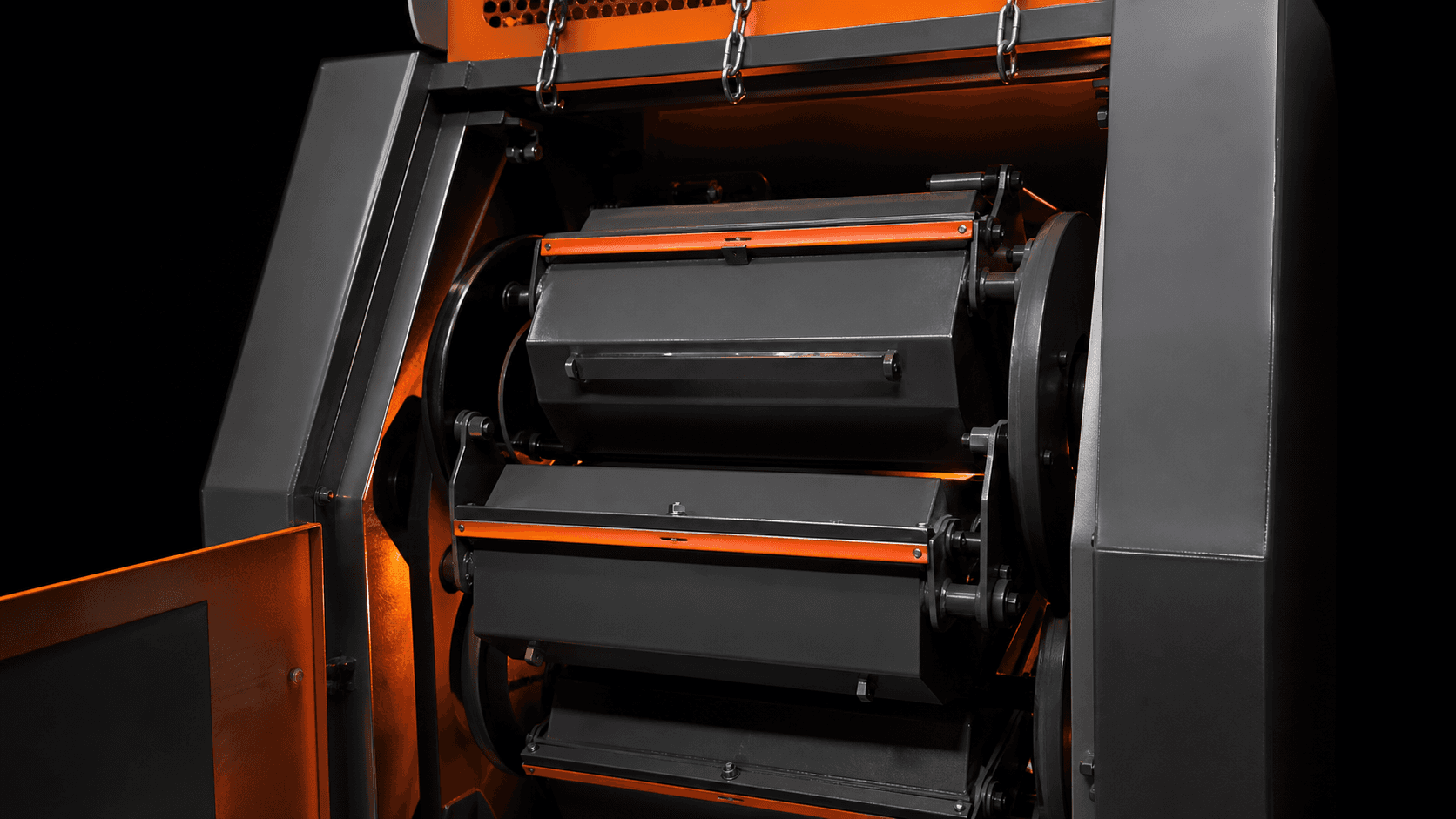
How Long Does a Centrifugal Barrel Finishing Cycle Take?
Most deburring cycles run 15 to 45 minutes. Edge radiusing and heavier cutting take about an hour. A polish or mirror finish is a multi-stage job of one to three hours. Here is what sets the time and how to shorten it.
Read →Case Study: A Defense Component Manufacturer Cleared a Deburring Bottleneck in a Week
Their old unit died mid-contract. A four-barrel high-energy machine shipped from LA that week, and the bottleneck never came back.
Read →
Centrifugal vs Vibratory: An Honest Comparison
One runs in minutes, one runs overnight. Here is the plain-English difference between centrifugal barrel and vibratory finishing, and the cases where each one wins.
Read →
What Is Centrifugal Barrel Finishing?
The fastest way to deburr, radius, and polish metal parts in bulk, explained in plain English: the Ferris-wheel principle, the force, and why the finish is isotropic.
Read →